
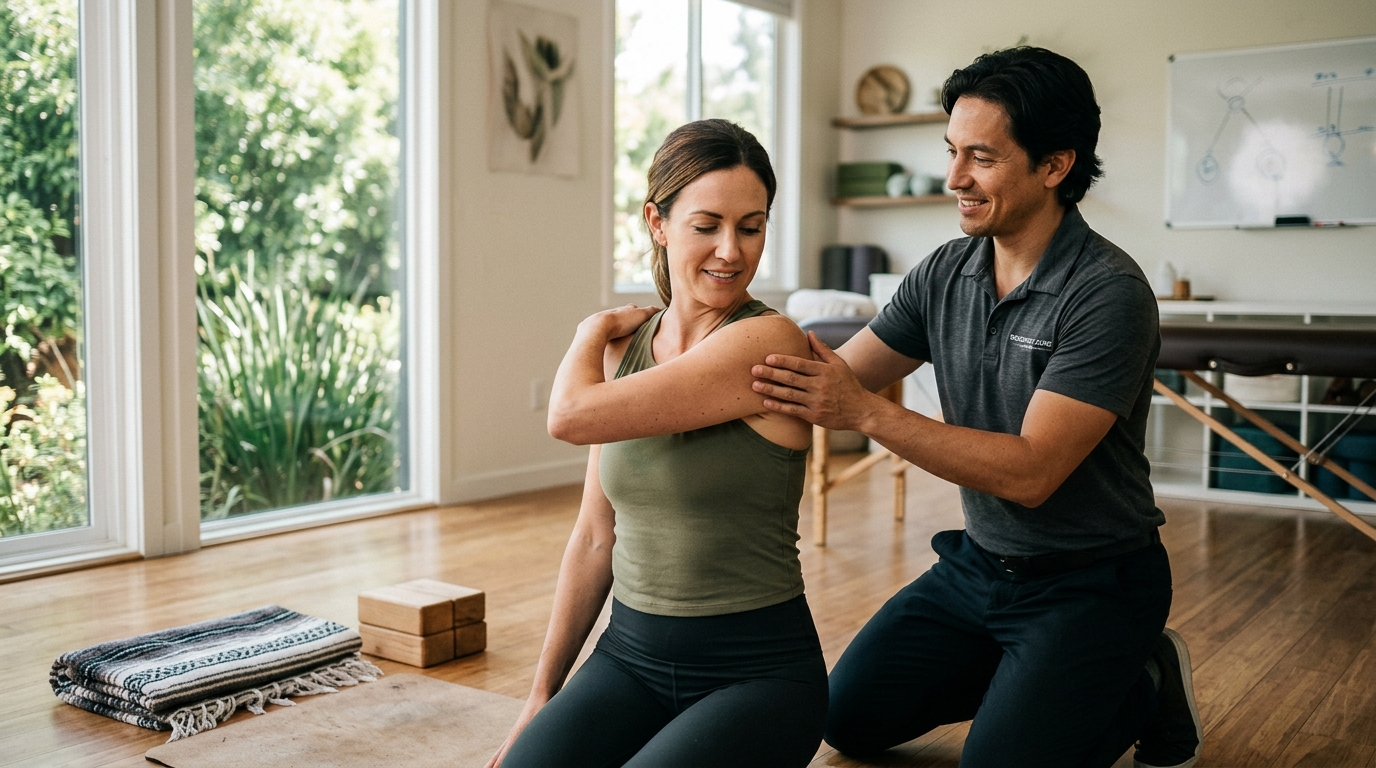
Recovery Zone Care in San Jose offers personalized mobility assessments through its integrated orthopedic massage and movement-based therapy programs. This guide explains how to identify, verify, and utilize these specialized services. It covers the specific questions to ask, the costs involved, and the long-term outcomes you can expect from a structured mobility evaluation.
How to Choose a Studio
Choosing the right wellness studio requires looking beyond generic marketing claims. A high-quality provider focuses on individualized care rather than one-size-fits-all group classes. You should look for a facility that integrates hands-on therapy with active movement. This combination ensures that your body is not only treated for pain but also trained to move correctly.
Integrated Care Models
Many studios offer only massage or only fitness classes. A superior option provides a bridge between the two. At Recovery Zone Care, the Hendrickson Method of Orthopedic Massage is combined with Functional Movement Therapy. This approach allows the therapist to identify movement dysfunctions during a hands-on session and then prescribe specific exercises to correct them. This integration is a key differentiator in the San Jose market.
Specialization in Mobility
Not all massage therapists are trained in mobility assessment. Look for practitioners who hold certifications in specific movement systems. For example, certifications in RockTape Functional Movement Therapy or advanced kinesiology taping indicate a deeper understanding of biomechanics. A studio that specializes in orthopedic and sports massage is better equipped to handle complex mobility issues than a general spa.
What to Ask Before Committing

Key Questions for the Provider
- Do you perform a formal movement screen before starting treatment?
- How do you track progress between sessions?
- Do you provide a home exercise program or digital access to exercises?
- What specific certifications do you hold in manual therapy and movement?
At Recovery Zone Care, clients are often given access to an online database of exercises. This allows for a personalized plan that extends beyond the clinic walls. Asking about these tools helps you understand the level of support you will receive.
How to Verify Credentials
Credentials are the backbone of trust in the wellness industry. You can verify a practitioner's qualifications by checking their licenses and certifications. In California, massage therapists must be certified by the California Massage Therapy Council (CMT). You can verify this status through the CMT database.
Checking Specialized Certifications
Beyond state licensure, look for specialized certifications. The Hendrickson Method requires specific practitioner and therapist certifications. Similarly, Functional Movement Therapy (FMT) has distinct levels of certification, from Basic to Advanced. You can verify these through the issuing bodies, such as the National Certification Board for Therapeutic Massage & Bodywork (NCBTMB) or the specific training academies. A transparent provider will be happy to share their credential history.
How the Assessment Process Works
A personalized mobility assessment is a structured process that moves from evaluation to intervention. It is not a one-time event but the start of a recovery journey.
The Initial Evaluation
The process begins with a detailed intake. The therapist will ask about your pain history, daily activities, and specific goals. This is followed by a physical assessment. The therapist will observe your movement patterns, check joint ranges of motion, and palpate soft tissues to identify restrictions. This step is crucial for understanding the root cause of your discomfort.
The Treatment Plan
Based on the assessment, the therapist creates a customized plan. This plan may include manual therapy techniques to release tension and specific exercises to restore mobility. For instance, if a client has limited hip mobility, the plan might include assisted stretching and specific Qigong movements. The goal is to address the dysfunction directly.
What It Costs
Costs for personalized mobility assessments vary based on the depth of the service and the duration of the session. In San Jose, prices for specialized orthopedic massage and movement therapy are generally higher than standard relaxation massages. This is because the service requires more specialized training and time.
Factors Influencing Price
- Session Length: Longer sessions allow for more comprehensive assessment and treatment.
- Specialization: Therapists with advanced certifications in manual therapy often charge a premium.
- Additional Tools: Use of tools like kinesio tape or vibration therapy may affect the cost.
Recovery Zone Care offers a first-time client deal for a 60-minute massage. This provides an entry point to experience the quality of care. Subsequent sessions and class subscriptions are priced based on the specific services chosen.
Common Mistakes to Avoid
Many clients make mistakes that hinder their progress. Understanding these pitfalls can help you get the most out of your investment.
Skipping the Home Program
One of the most common mistakes is not doing the prescribed exercises at home. The in-clinic session is only a small part of the recovery process. Consistency in your home practice is what drives long-term change. If a provider does not give you a clear home plan, be cautious.
Expecting Instant Results
Chronic pain and mobility issues take time to resolve. Expecting a single session to fix years of dysfunction is unrealistic. Patience and consistency are key. A good provider will set realistic expectations and track your progress over time.
Versus Other Alternatives
There are several alternatives to a specialized mobility assessment, each with its own pros and cons.
| Option | Pros | Cons |
|---|---|---|
| General Spa Massage | Relaxing, lower cost | No personalized assessment, no movement training |
| Group Fitness Classes | Social, affordable | One-size-fits-all, no individual attention |
| Physical Therapy | Medical grade, insurance covered | Requires referral, can be rigid |
| Specialized Mobility Studio | Personalized, integrated care | Higher cost, out-of-pocket |
For Specific Situations
The approach to mobility assessment changes depending on your specific situation. Whether you are an athlete, a desk worker, or recovering from surgery, the focus will differ.
For Desk Workers
If you sit all day, your assessment will likely focus on the upper back, neck, and hips. The therapist will look for postural imbalances and tightness in the chest and hip flexors. The plan will include stretches to open these areas and strengthening exercises for the mid-back.
For Athletes
Athletes need a focus on performance and injury prevention. The assessment will look at movement efficiency and stability. The plan will include sport-specific drills and mobility work to ensure safe and effective movement.
Rules and Protections
Working with a licensed massage therapist ensures that you are protected by state regulations. In California, massage therapists are regulated by the CMT. This ensures that they have met minimum standards of education and training. You also have the right to stop the session at any time if you feel uncomfortable.
Informed Consent
A reputable provider will always obtain your informed consent before starting any treatment. They will explain what they are going to do and why. You should feel empowered to ask questions and set boundaries. This is a fundamental part of a safe and effective therapeutic relationship.
Local Specifics in San Jose
San Jose has a diverse wellness scene, but not all studios offer the same level of specialized care. The city is home to many high-tech workers who suffer from repetitive strain injuries. This has created a demand for specialized mobility and pain relief services. Recovery Zone Care is located in the South Bascom Ave area, making it accessible to many residents in the South Bay.
Community and Accessibility
Local studios often build strong community ties. They may offer classes that are accessible to all levels, including those with mobility limitations. For example, Recovery Zone Care offers Qigong and Tai Chi classes that can be done from a standing or seated position. This inclusivity is a significant advantage for a diverse community.
Timing Your Assessment
When you choose to get a mobility assessment can impact your results. Ideally, you should seek an assessment when you first notice a change in your movement or pain. Early intervention can prevent minor issues from becoming chronic problems.
Seasonal Considerations
Some people find that their pain worsens in certain seasons. Cold weather can make joints stiffer, while hot weather can increase inflammation. If you notice a seasonal pattern, consider getting an assessment before the season that triggers your symptoms. This allows you to build a resilience plan in advance.
Results Over Time
What can you expect from a long-term commitment to personalized mobility work? The results are cumulative and progressive. In the first few weeks, you may experience pain relief and improved range of motion. Over several months, you will likely see improvements in your posture, balance, and overall energy levels.
Measurable Outcomes
A good provider will track your progress using specific metrics. This might include measuring joint angles, tracking pain levels on a scale, or observing movement quality. These objective measures help you see your progress and stay motivated. At Recovery Zone Care, the use of a digital exercise database allows for consistent tracking and adjustment of your plan.
Key Takeaways
- Look for studios that integrate hands-on therapy with active movement training.
- Verify credentials through the California Massage Therapy Council and specialized certification bodies.
- Ask about the assessment process and whether a home exercise program is provided.
- Understand that costs reflect the level of specialization and personalization.
- Avoid skipping home exercises and setting unrealistic expectations for instant results.
- Consider your specific situation, such as being a desk worker or athlete, when choosing a provider.
- Be aware of local regulations and your rights as a client.
- Expect progressive results over time, with measurable improvements in mobility and pain.
Frequently Asked Questions
What is a personalized mobility assessment?
A personalized mobility assessment is a detailed evaluation of your movement patterns, joint ranges, and soft tissue restrictions. It is used to create a customized treatment plan to address specific dysfunctions.
How long does a mobility assessment take?
A thorough assessment typically takes 60 to 90 minutes. This allows time for a detailed intake, physical evaluation, and the start of the treatment plan.
Do I need a referral to see a massage therapist?
No, you do not need a referral to see a licensed massage therapist in California. You can book an appointment directly with the provider.
What is the Hendrickson Method?
The Hendrickson Method is an advanced system of orthopedic massage and manual therapy. It uses specific techniques to treat acute and chronic pain efficiently and effectively.
Can massage therapy help with chronic pain?
Yes, therapeutic massage is recognized as a legitimate therapy for some painful conditions. It can help relieve pain by relaxing muscles and reducing stress.
How often should I have a mobility assessment?
It depends on your individual needs. For chronic conditions, you may need regular sessions every few weeks. For maintenance, you may only need a check-in every few months.
Is Qigong suitable for beginners?
Yes, Qigong is suitable for all levels, including beginners. The movements are gentle and can be adapted for those with mobility limitations.