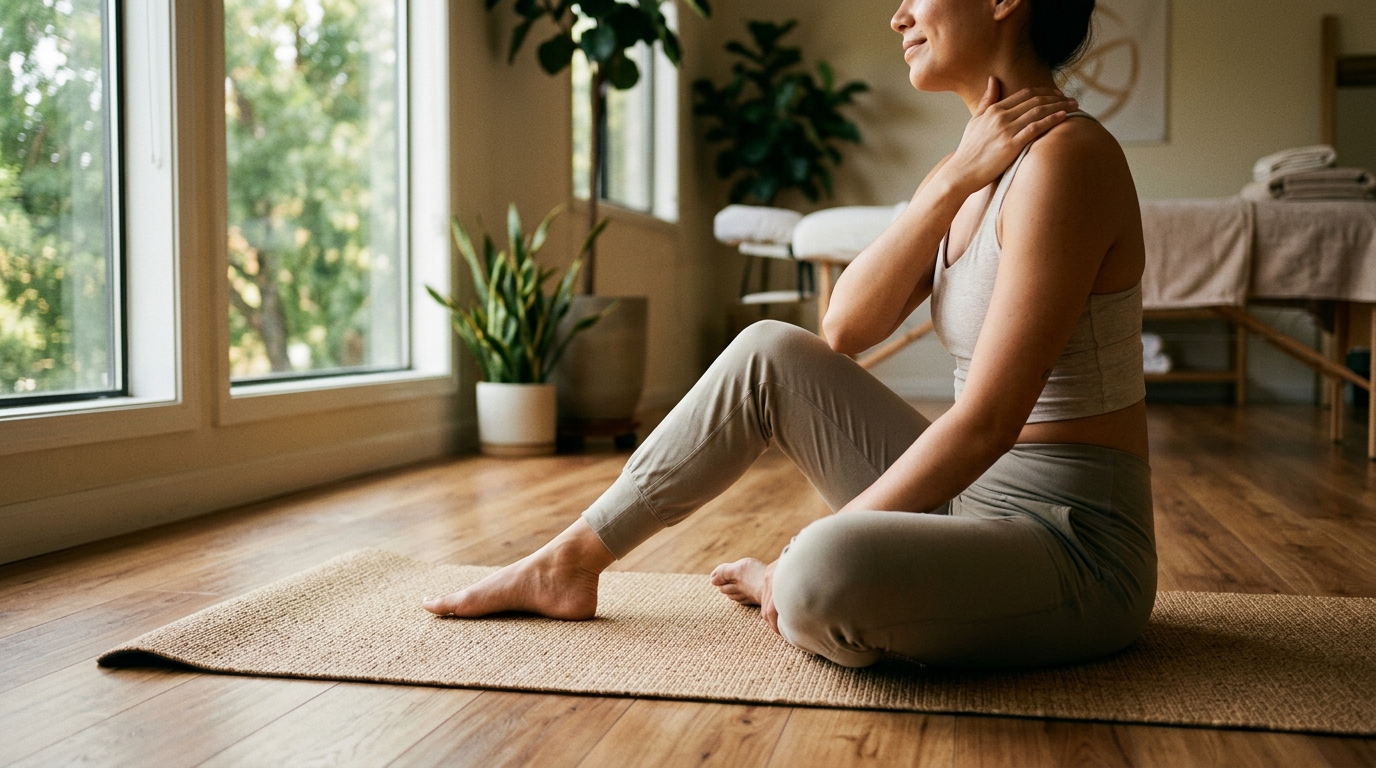
Combining massage and yoga in San Jose offers deep muscle tension relief, improved flexibility, and significant stress reduction. This guide explores how Recovery Zone Care integrates these modalities to support holistic recovery. We cover five key areas: muscle tension relief, flexibility and mobility, stress reduction, posture improvement, and mind-body awareness.
Muscle Tension Relief
Chronic muscle tension is a common complaint among San Jose residents who spend long hours at desks or in traffic. Massage therapy addresses this by physically manipulating soft tissues to release knots and reduce stiffness. Yoga complements this by encouraging active stretching and sustained holds that lengthen tight muscles. Together, they create a cycle of release and maintenance that prevents tension from returning.
The Role of Orthopedic Massage
At Recovery Zone Care, we utilize the Hendrickson Method of Orthopedic Massage. This advanced system uses Wave Mobilization and Joint Mobilization techniques to treat acute and chronic pain. Unlike traditional deep tissue massage, which can be painful, this method provides deep, soothing relief without causing discomfort. It effectively targets the root causes of tension rather than just the symptoms.
Active Release Through Movement
While massage is passive, yoga is active. Hatha Yoga and Tai Chi classes at our San Jose studio focus on slow, controlled movements. These movements help maintain the range of motion gained during a massage session. By combining the two, clients experience a more durable reduction in muscle tightness.
Flexibility and Mobility
Flexibility is the ability of a muscle to lengthen, while mobility is the ability of a joint to move through its full range of motion. Both are critical for preventing injury and maintaining independence as we age. A combined program ensures that muscles are relaxed enough to stretch safely and joints are lubricated enough to move freely.
Joint Health and Range of Motion
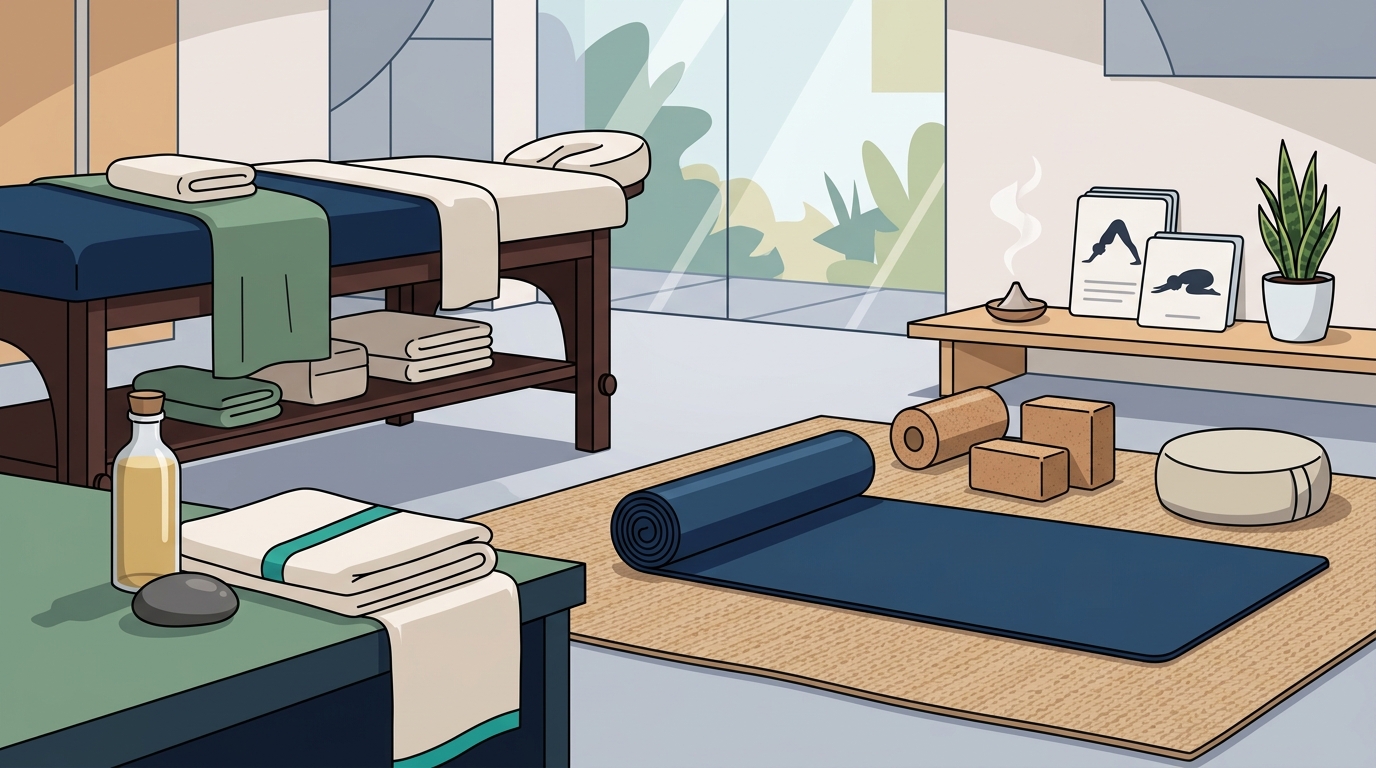
Stiff joints often result from sedentary lifestyles. The movement-based therapies offered at Recovery Zone Care, including Wuji Qigong and Yang-style Tai Chi, are specifically designed to improve joint mobility. These ancient practices focus on gentle, repetitive movements that nourish the joints and increase synovial fluid production. This leads to smoother, pain-free movement in daily activities.
Preventing Injury Through Mobility
When muscles are tight, they pull on joints, leading to misalignment and potential injury. By integrating massage to release myofascial restrictions and yoga to build dynamic flexibility, we create a resilient body. This approach is particularly beneficial for athletes and active individuals in the Bay Area who push their bodies regularly.
Stress Reduction
Stress is a physiological state that manifests physically as muscle tension and shallow breathing. A combined massage and yoga program addresses both the physical and neurological aspects of stress. This dual approach helps downregulate the sympathetic nervous system, promoting a state of deep relaxation.
Neurological Benefits of Massage
Massage therapy stimulates the parasympathetic nervous system, often referred to as the rest and digest mode. This reduces cortisol levels and lowers heart rate. The physical touch involved in massage also releases oxytocin, a hormone associated with bonding and calm. For many clients, this is the first time they experience true mental quiet.
Mindfulness in Movement
Yoga and Qigong are inherently meditative practices. They require focus on breath and movement, which anchors the mind in the present moment. This mindfulness practice reduces rumination and anxiety. By combining the passive relaxation of massage with the active mindfulness of yoga, clients develop a robust toolkit for managing daily stressors in San Jose.
Posture Improvement
Poor posture is often a result of muscle imbalances and habitual movement patterns. Corrective exercise therapy is a type of physical therapy used to improve posture, balance, and coordination. It involves identifying movement dysfunction and implementing an integrated corrective strategy. At Recovery Zone Care, we use this approach to help clients move well and prevent postural pain.
Addressing Muscle Imbalances
Massage therapy can temporarily relax overactive muscles, but it does not fix the underlying pattern. Yoga and corrective exercises help strengthen underactive muscles and retrain the body to maintain proper alignment. For example, if a client has rounded shoulders, we use massage to release the chest muscles and yoga to strengthen the upper back. This balanced approach leads to lasting postural changes.
Functional Movement Patterns
Functional Movement Therapy is a revolutionary way of thinking about how we move and how we injure. We integrate innovative mobility and stability strategies to optimize efficiency in daily tasks. By improving posture, we reduce the strain on the spine and joints, leading to less pain and greater energy throughout the day.
Mind-Body Awareness
Mind-body awareness is the ability to perceive and understand the connection between mental states and physical sensations. This awareness is the cornerstone of holistic healing. It allows individuals to recognize early signs of stress or injury and take proactive steps to address them.
Integrating Ancient Wisdom
Practices like Wuji Qigong and Tai Chi are rooted in ancient wisdom that emphasizes the flow of energy through the body. These practices cultivate a deep sense of internal awareness. Clients learn to feel subtle changes in their body, such as tension or imbalance, before they become painful. This heightened awareness empowers them to take ownership of their health.
Building a Sustainable Practice
By combining the external intervention of massage with the internal practice of yoga, we help clients build a sustainable relationship with their bodies. They learn that healing is not just something that happens to them, but something they can actively participate in. This shift in mindset is often the most profound benefit of a combined program.
Comparison of Modalities
| Modality | Primary Benefit | Active/Passive | Best For |
|---|---|---|---|
| Orthopedic Massage | Pain relief and tissue release | Passive | Acute pain and deep tension |
| Hatha Yoga | Flexibility and strength | Active | Building endurance and balance |
| Wuji Qigong | Joint mobility and stress relief | Active | Seniors and gentle movement |
| Corrective Exercise | Posture and movement patterns | Active | Chronic pain and injury prevention |
Key Takeaways
- Combining massage and yoga provides a comprehensive approach to pain relief and mobility.
- Massage releases passive tension, while yoga builds active strength and flexibility.
- The Hendrickson Method offers deep relief without the pain of traditional deep tissue massage.
- Movement-based therapies like Qigong and Tai Chi are excellent for joint health and stress reduction.
- Corrective exercise therapy helps fix underlying postural issues that cause chronic pain.
- Mind-body awareness allows clients to take proactive control of their health and recovery.
- Recovery Zone Care in San Jose offers a holistic environment for both hands-on therapy and movement classes.
Frequently Asked Questions
How often should I combine massage and yoga?
For optimal results, many clients benefit from weekly massage sessions combined with two to three yoga or Qigong classes per week. This frequency allows for consistent tissue release and active movement maintenance.
Is the Hendrickson Method painful?
No. The Hendrickson Method is designed to be relaxing and soothing. It uses advanced techniques to achieve deep relief without the intense pressure often associated with traditional deep tissue massage.
Can yoga help with chronic pain?
Yes. Gentle yoga styles like Hatha and Tai Chi can help manage chronic pain by improving flexibility, reducing stress, and strengthening supporting muscles. It is important to practice mindfully and avoid pushing into pain.
What is the difference between flexibility and mobility?
Flexibility refers to the length of a muscle, while mobility refers to the range of motion of a joint. A combined program addresses both by stretching muscles and moving joints through their full range.
Do I need to be fit to start yoga or Qigong?
No. Our classes are designed to be accessible to all levels of fitness and mobility. We provide modifications and variations so that everyone can participate safely and comfortably.
Where is Recovery Zone Care located?
Recovery Zone Care is located at 1190 South Bascom Ave, Suite 134, San Jose, CA 95128. We offer both in-person services and online classes for our clients.
Conclusion
A combined massage and yoga program offers a powerful solution for managing pain, improving mobility, and reducing stress. By integrating the passive benefits of massage with the active benefits of movement, you create a resilient and healthy body. Recovery Zone Care in San Jose provides a comprehensive environment where you can explore these modalities. Whether you are seeking relief from chronic pain or looking to improve your overall wellness, our team is here to guide you. Visit our massage therapy services page or exercise classes to start your journey toward holistic healing.