
Massage vs. Movement: The Ultimate Guide to Chronic Back Pain Relief
For chronic back pain, a combined approach of orthopedic massage and active movement classes yields the best long-term outcomes. Massage provides immediate pain relief and tissue relaxation, while movement classes build the structural stability required to prevent recurrence. This guide explores the specific mechanisms of both therapies and how they work together to restore full function.
Massage Therapy Efficacy
Massage therapy is a hands-on treatment that manipulates soft tissues to reduce pain and improve mobility. For chronic back pain, it serves as a critical entry point into the healing process. Many patients arrive at a clinic in a state of high sympathetic nervous system activation, where the body is locked in a fight-or-flight response. In this state, muscles are guarded and tight, making it nearly impossible to perform effective corrective exercises.
The Role of Orthopedic Massage
Traditional deep tissue massage often relies on high pressure, which can sometimes aggravate inflamed tissues. In contrast, the Hendrickson Method is an advanced system of orthopedic massage and manual therapy that treats acute and chronic pain efficiently. It utilizes Wave Mobilization techniques and Joint Mobilization dynamic movements. This approach allows the therapist to address the root cause of pain without the discomfort associated with traditional deep tissue work. Patients often experience a deep, soothing relief that lowers the body's stress response.
Targeting Specific Pain Mechanisms
Chronic back pain is rarely just about muscle tension. It often involves fascial restrictions, joint dysfunction, and neurological sensitization. Orthopedic massage addresses these layers directly. By stimulating competing nerve fibers, massage can help close the pain gate, impeding pain messages to the brain. This neurophysiological effect is crucial for patients who have been in pain for years. It resets the nervous system's perception of threat, allowing the body to begin the process of healing.
At Recovery Zone Care, the focus is on individualized treatment plans. The therapist assesses the specific dysfunction and applies techniques such as Myofascial Release and Manual Lymph Drainage as needed. This precision ensures that the session targets the exact areas contributing to the patient's back pain.
Active Movement Effectiveness
Active movement therapy is a practice-based approach that strengthens the body and mind to prevent injury. While massage is passive, movement is active. It requires the patient to engage their muscles, joints, and nervous system in controlled patterns. For chronic back pain, this engagement is essential for long-term stability. Without it, the body remains vulnerable to re-injury once the acute pain subsides.
Movement-Based Therapy and Mind-Body Connection
Movement-based therapy utilizes specific types of exercise to increase stability and flexibility. It is not about high-intensity cardio or heavy lifting. Instead, it focuses on quality of motion. Practices like Wuji Qigong and Yang-style Tai Chi are excellent examples. These ancient movement forms emphasize slow, controlled motions that improve joint mobility and muscle flexibility. They also cultivate a deep mind-body connection, which is vital for patients who have lost trust in their own bodies due to chronic pain.
Corrective Exercise and Functional Stability
Corrective exercise therapy is a type of physical therapy used to improve posture, balance, and coordination. It involves a systematic process of identifying movement dysfunction and implementing an integrated corrective strategy. For a patient with chronic back pain, this might mean learning how to breathe correctly, how to stabilize the core, or how to move the hips without compensating with the lower back. These skills are learned through repetition and practice, not just through passive treatment.
At Recovery Zone Care, movement classes are designed to be accessible to all levels of fitness and mobility. Whether a patient is in a chair or standing, there are variations to accommodate their current limitations. This inclusivity ensures that no one is left behind in their recovery journey.
Comparing Modalities
Understanding the distinct roles of massage and movement helps patients make informed decisions about their care. The table below summarizes the key differences and benefits of each approach.
| Feature | Orthopedic Massage | Active Movement Classes |
|---|---|---|
| Primary Goal | Pain relief and tissue relaxation | Strength, stability, and mobility |
| Patient Role | Passive recipient | Active participant |
| Immediate Effect | Reduces pain and stress | Improves range of motion |
| Long-Term Benefit | Maintains tissue health | Prevents recurrence |
| Best For | Acute flare-ups and high stress | Chronic instability and weakness |
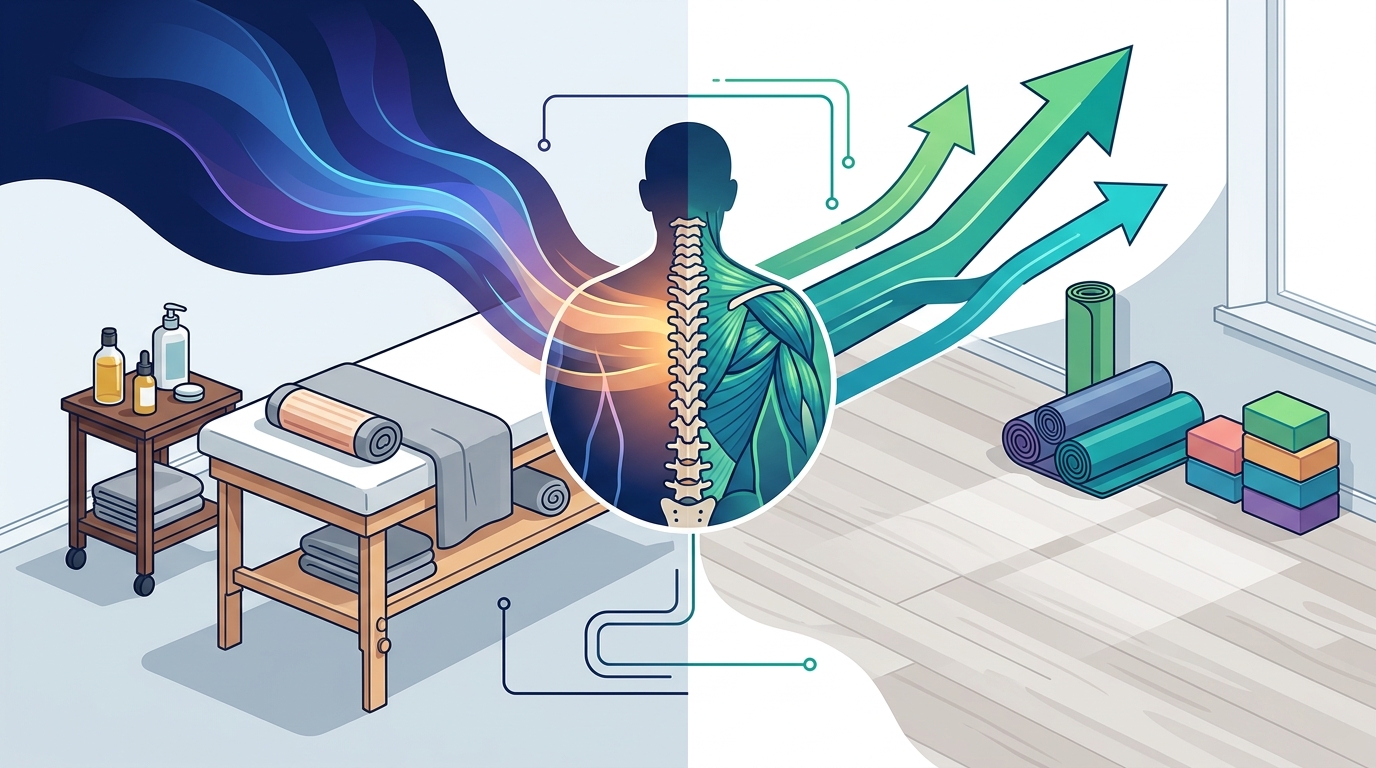
Neither modality is superior in isolation. They are complementary. Massage prepares the body for movement by reducing pain and guarding. Movement then builds the capacity to handle daily demands without pain. This synergy is the foundation of a comprehensive recovery plan.
Key Takeaways
- Massage therapy is a legitimate medical intervention for chronic pain, not just a luxury.
- The Hendrickson Method offers a less painful, more effective alternative to traditional deep tissue massage.
- Active movement classes build the structural stability that massage alone cannot provide.
- Mind-body practices like Qigong and Tai Chi help patients regain trust in their bodies.
- Corrective exercise addresses the root causes of poor posture and movement dysfunction.
- A combined approach of passive and active therapies yields the best long-term outcomes.
- Individualized treatment plans are essential for addressing the unique needs of each patient.
- Consistency in both massage and movement practice is key to sustained relief.
Frequently Asked Questions
Is massage therapy effective for chronic back pain?
Yes, research supports the use of therapeutic massage for chronic pain conditions. It helps relax painful muscles, reduce stress, and modulate pain signals in the nervous system.
How is the Hendrickson Method different from deep tissue massage?
The Hendrickson Method uses specific mobilization techniques to treat pain without the high pressure and discomfort often associated with traditional deep tissue massage. It is designed to be relaxing while still being therapeutically effective.
Can I do Qigong if I have limited mobility?
Absolutely. Qigong exercises can be performed from a standing or seated position. There are endless variations to accommodate all levels of ability and age.
How often should I attend movement classes?
Consistency is more important than intensity. Attending classes one or two times a week is a good start. The goal is to build a sustainable habit of movement.
Do I need a prescription for massage therapy?
No, you do not need a prescription to book a massage. However, if you are working with a physician, it is always a good idea to coordinate your care.
What is the benefit of combining massage and movement?
Massage reduces pain and prepares the body for movement. Movement builds strength and stability to prevent future pain. Together, they create a comprehensive recovery plan.
Conclusion
Chronic back pain is a complex condition that requires a multifaceted approach. Neither massage nor movement alone is sufficient for complete recovery. Massage provides the immediate relief and nervous system regulation needed to begin the healing process. Movement classes then build the strength, stability, and confidence required to maintain that relief over time. By integrating both modalities, patients can achieve a lasting transformation in their physical health.
At Recovery Zone Care, we are dedicated to helping you find meaningful recovery and healing. Our team combines the precision of orthopedic massage with the power of movement-based therapy to create a personalized path to pain-free living. To start your journey, book a session today and experience the difference a holistic approach can make.