Yes, Qigong classes are available for clients seeking gentle movement recovery. Recovery Zone Care in San Jose offers accessible, low-impact Qigong sessions designed to restore mobility and reduce pain without straining the body. This guide covers class availability, the physiological benefits of gentle movement, and how these practices support injury recovery.
Qigong Class Availability
Recovery Zone Care provides consistent access to Qigong instruction for clients in the San Jose area. The practice is available through both in-person and online formats, ensuring that mobility limitations or scheduling conflicts do not prevent participation. Clients can join weekly sessions that focus on foundational movements suitable for all fitness levels.
Online and In-Person Options
Class Structure and Levels
Classes are divided into Fundamentals and Progressions. The Fundamentals level is an entry point suitable for everyone, including those with significant mobility restrictions. The Progressions level builds on existing knowledge, introducing new movement patterns and energetic awareness. This tiered structure ensures that beginners are not overwhelmed while providing a clear path for those ready to deepen their practice.
Gentle Movement Benefits
Gentle movement is a critical component of physical wellness, particularly for individuals managing chronic pain or recovering from injury. Unlike high-intensity exercise, gentle movement prioritizes joint health, circulation, and nervous system regulation. It allows the body to heal without the risk of overexertion or re-injury.

Joint Mobility and Circulation
Regular gentle movement helps maintain the range of motion in joints that may have become stiff due to inactivity or pain. By moving through a full range of motion slowly, clients can reduce stiffness and improve the flow of synovial fluid, which lubricates the joints. This process is essential for long-term joint health and functional independence.
Nervous System Regulation
Chronic pain often keeps the nervous system in a state of high alert, leading to muscle tension and increased sensitivity. Gentle movement practices like Qigong help shift the nervous system from a sympathetic (fight or flight) state to a parasympathetic (rest and digest) state. This shift reduces stress hormones and promotes a sense of calm, which can lower the perception of pain.
Injury Recovery Suitability
Recovery Zone Care integrates Qigong into a broader therapeutic framework that includes orthopedic massage and manual therapy. This holistic approach is particularly suitable for clients recovering from surgery, acute injuries, or chronic conditions. The slow, controlled nature of Qigong makes it a safe option for those who cannot yet tolerate traditional exercise.
Post-Surgical Rehabilitation
After surgery, the body requires time to heal tissues and reduce inflammation. Qigong provides a low-impact way to maintain movement during this critical phase. The exercises can be performed from a standing or seated position, with chairs provided for those who cannot stand for extended periods. This adaptability ensures that clients can continue their recovery process without compromising their healing.
Chronic Pain Management
Qigong as Gentle Movement
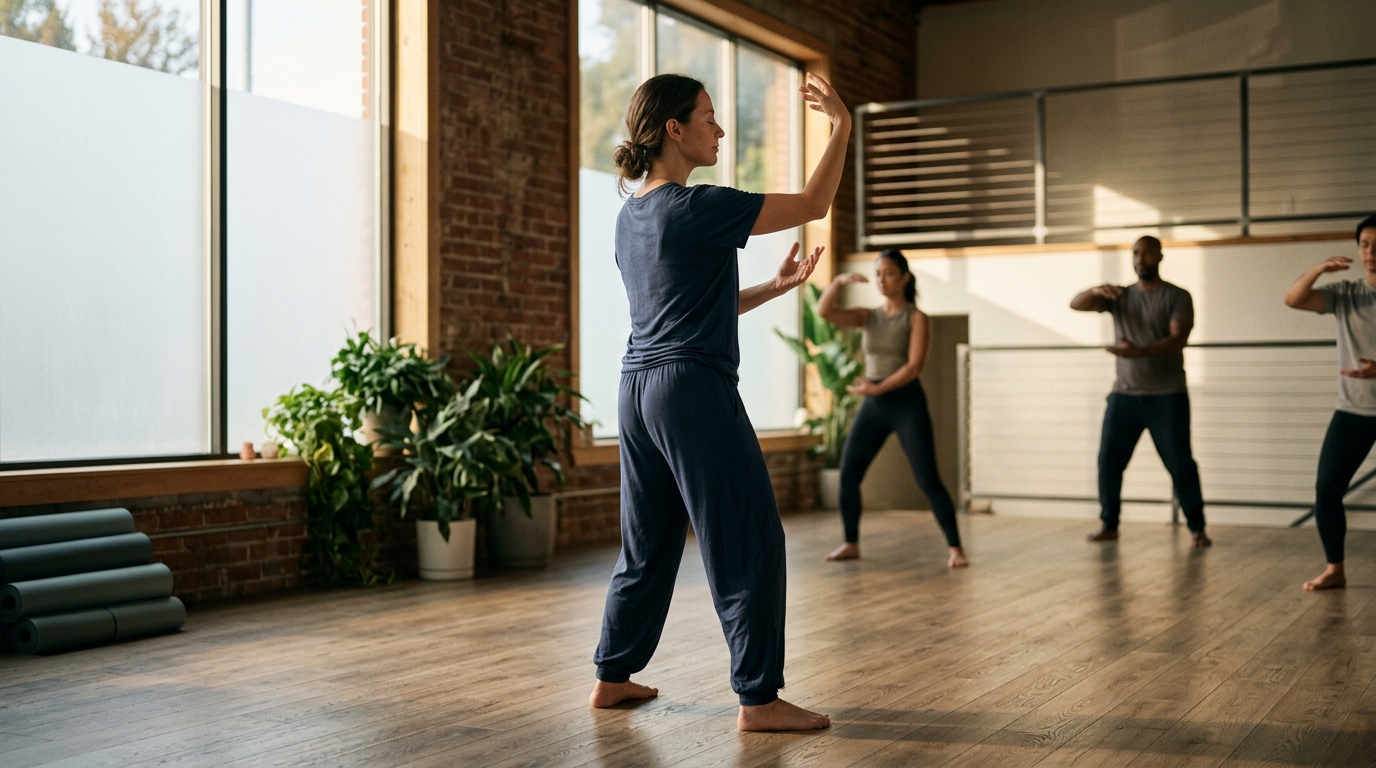
Qigong is a system of coordinated practices involving body postures, movements, breathing techniques, and focused attention. It is a form of gentle movement that emphasizes the flow of energy and the alignment of the body. The movements are simple, repetitive, and easy to learn, making them accessible to a wide range of people.
Wuji Qigong Specifics
Recovery Zone Care specializes in Wuji Qigong, a style that focuses on simple and easy-to-learn exercises. These movements are designed to melt away stress and open up joints. The exercises can be done from a standing or seated position, and there are endless variations to accommodate different abilities. This flexibility is a key reason why Wuji Qigong is effective for gentle movement recovery.
Integration with Other Therapies
Qigong is not offered in isolation at Recovery Zone Care. It is part of a comprehensive program that includes Hatha Yoga, Tai Chi, and corrective exercise therapy. This integration allows clients to benefit from a variety of movement-based therapies that address different aspects of their health. The combination of hands-on therapy and active movement provides a robust foundation for lasting recovery.
| Practice | Primary Focus | Best For |
|---|---|---|
| Wuji Qigong | Joint opening and stress relief | Beginners and those with mobility limitations |
| Hatha Yoga | Strength and flexibility | Those seeking a more active practice |
| Tai Chi | Balance and flow | Improving stability and coordination |
Key Takeaways
- Qigong classes are available at Recovery Zone Care in both online and in-person formats.
- Gentle movement is essential for maintaining joint health and regulating the nervous system.
- Qigong is a safe and effective option for post-surgical and chronic pain recovery.
- The practice is accessible to all levels, with options for standing or seated positions.
- Wuji Qigong is a specific style that focuses on simple, repetitive movements for stress relief.
- Integrating Qigong with other therapies like massage and yoga provides a comprehensive recovery plan.
- Regular practice can help reduce pain perception and improve overall quality of life.
Frequently Asked Questions
Are Qigong classes suitable for complete beginners?
Yes, the Fundamentals class is designed for everyone, including complete beginners. The movements are simple and easy to learn, and the instructor provides clear explanations for each exercise.
Can I do Qigong if I have limited mobility?
Absolutely. Many Qigong exercises can be performed from a seated position. Chairs are provided in in-person classes, and online classes offer variations for those who cannot stand.
How often should I attend Qigong classes?
Consistency is key. Attending one or two classes per week is a good starting point. The goal is to build a regular practice that supports your recovery and wellness goals.
Is Qigong the same as Tai Chi?
While they are related, they are distinct practices. Tai Chi is a martial art that emphasizes flow and balance, while Qigong focuses on energy cultivation and health. Both are forms of gentle movement and can be practiced together.
Do I need to wear special clothing?
No, you just need to wear comfortable clothing that allows for free movement. You do not need any special equipment or props to participate in Qigong classes.
Can Qigong help with chronic pain?
Yes, Qigong can be a valuable tool for managing chronic pain. The slow, mindful movements help reduce stress and tension, which can lower the perception of pain.
Conclusion
Qigong is a powerful tool for gentle movement recovery, offering a safe and effective way to restore mobility and reduce pain. At Recovery Zone Care, we provide accessible classes that cater to all levels and abilities. Whether you are recovering from surgery, managing chronic pain, or simply looking to improve your overall wellness, Qigong can be a valuable addition to your health routine. To begin your journey, book a class or to learn more about how we can support your recovery.