
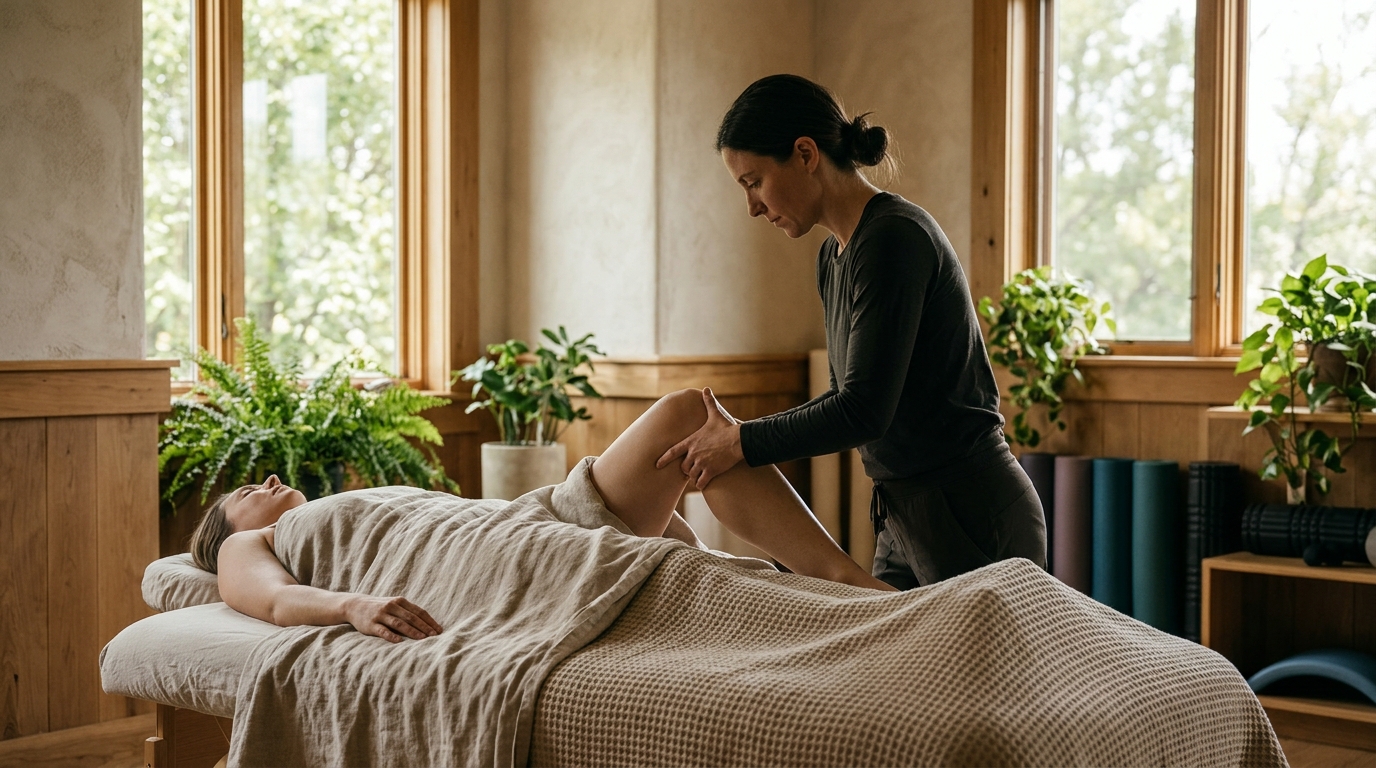
For most individuals experiencing persistent joint stiffness, a frequency of one to two sessions per week is often effective during the initial phase of treatment. However, this schedule is not static. As your body responds to therapy and you integrate active movement practices, the ideal frequency typically decreases over time. Recovery Zone Care in San Jose approaches this by combining hands-on orthopedic massage with active movement therapies, ensuring that the frequency of your sessions evolves alongside your physical progress.
The Initial Phase: Establishing a Baseline
When joint stiffness is acute or has become chronic, the primary goal is to reduce pain and restore range of motion. In this phase, higher frequency is generally required to interrupt the pain cycle. Orthopedic massage is a specialized form of manual therapy that targets the musculoskeletal system to address pain and dysfunction. By applying specific techniques to muscles, tendons, and joints, therapists can reduce the protective muscle guarding that often exacerbates stiffness.
Transitioning to Maintenance: The Role of Active Movement
As the acute pain subsides and joint mobility improves, the need for frequent passive therapy decreases. This is where the concept of functional movement therapy becomes critical. Functional movement therapy is an approach that focuses on how the body moves in daily life, aiming to correct movement patterns that contribute to injury or stiffness. By learning to move efficiently, you reduce the load on your joints, which in turn reduces the frequency of massage sessions required to maintain comfort.
Recovery Zone Care integrates this philosophy by offering movement-based classes alongside massage services. For example, clients may transition from weekly massage sessions to bi-weekly sessions once they begin practicing Wuji Qigong or Hatha Yoga. These practices strengthen the muscles that support the joints, providing a natural stability that reduces the need for constant manual intervention. The implication is clear: massage is not a permanent crutch but a tool to help you regain the ability to move independently.
Factors That Influence Your Schedule
Several variables determine whether your massage frequency should increase, decrease, or remain stable. The nature of the stiffness plays a major role. Stiffness caused by sedentary behavior may require a different approach than stiffness resulting from overuse or injury. Additionally, the presence of underlying conditions such as arthritis or fibromyalgia can necessitate a more consistent, long-term maintenance schedule.
Another key factor is the client's engagement in self-care. Clients who actively participate in prescribed exercises and home practices often see faster results, allowing for a quicker reduction in session frequency. At Recovery Zone Care, therapists assess these factors during each visit. They may recommend sports massage for active individuals who need recovery support, or post-surgical massage for those in a specific recovery phase. The schedule is tailored to the individual's response to treatment, not a one-size-fits-all protocol.
Long-Term Sustainability and Independence
The ultimate goal of any pain management plan is independence. Over time, the frequency of professional massage should ideally decrease as your body adapts and you develop the skills to manage your own mobility. This does not mean you will never need massage again, but rather that it becomes a maintenance tool rather than a primary treatment. Corrective exercise therapy is a type of physical therapy used to improve posture, balance, and coordination, often recommended for people with poor body mechanics. By incorporating corrective exercises into your routine, you address the root causes of stiffness, reducing the reliance on external intervention.
Recovery Zone Care supports this transition by providing clients with resources for home practice. This includes access to online exercise databases and guidance on self-massage techniques. The implication for the client is a sustainable wellness plan that fits into their lifestyle. Whether you are an athlete, a desk worker, or someone managing age-related stiffness, the frequency of your massage should reflect your current level of function and your goals for the future.
Key Takeaways
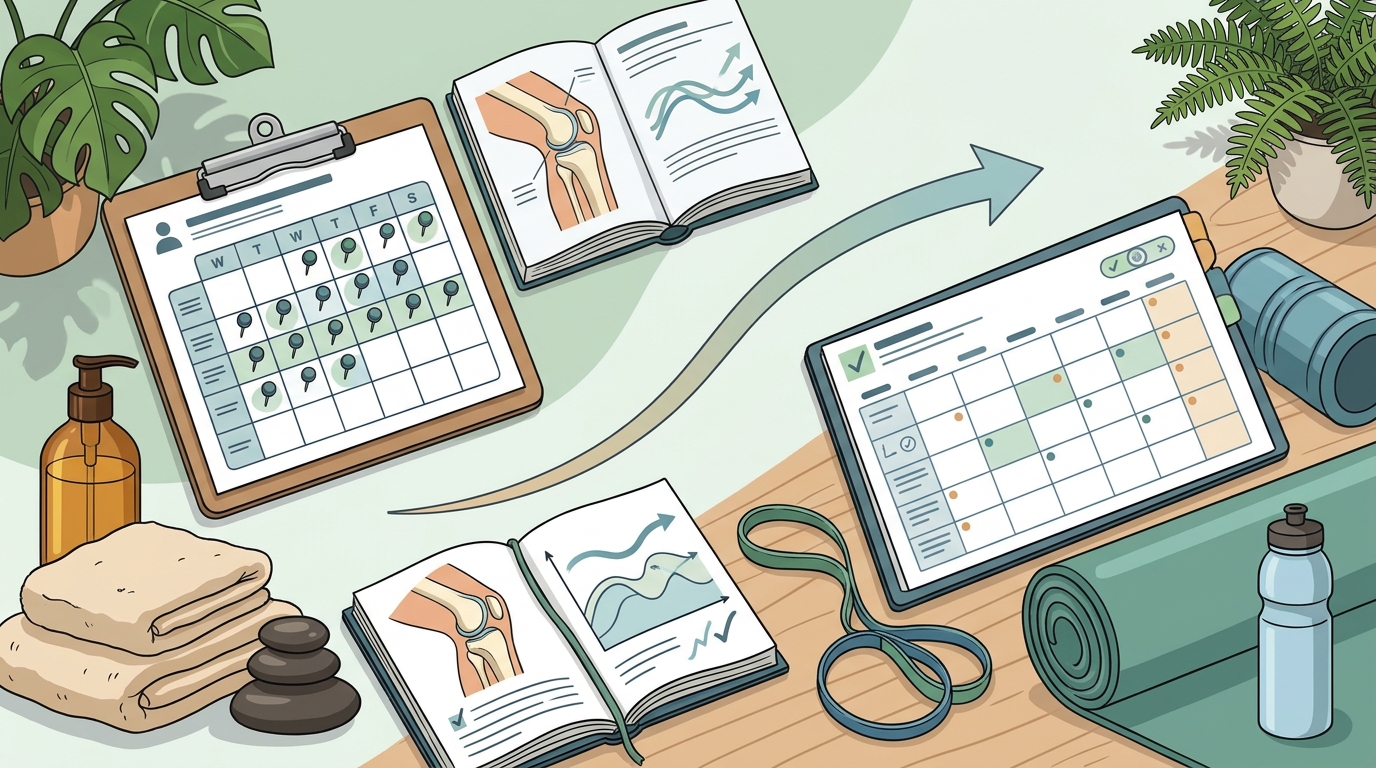
- Initial treatment for stiff joints often requires 2-3 sessions per week for the first month to establish relief.
- As mobility improves, frequency typically decreases to once a week or bi-weekly for maintenance.
- Active movement practices like Qigong and Yoga can reduce the need for frequent passive therapy.
- Individual factors such as injury history and lifestyle significantly impact the ideal schedule.
- The long-term goal is independence, with massage serving as a periodic maintenance tool.
- Consistent self-care and corrective exercises are essential for sustaining the benefits of massage.
Frequently Asked Questions
How long does it take to see results from massage for stiff joints?
Most clients begin to notice improvements in range of motion and pain levels within the first two to four sessions. However, significant and lasting changes often require a consistent schedule over several weeks. The timeline varies depending on the severity of the stiffness and the individual's response to treatment.
Can I do massage at home to reduce the frequency of professional sessions?
Yes, self-massage and stretching can be effective for maintenance. Learning proper techniques allows you to manage minor stiffness between professional appointments. However, for deep-seated joint issues, professional manual therapy is often necessary to achieve the desired results.
Does the type of massage matter for joint stiffness?
Yes, the technique used is crucial. Orthopedic massage and manual therapy are specifically designed to address musculoskeletal pain and dysfunction. General relaxation massage may not provide the same therapeutic benefits for stiff joints as targeted orthopedic techniques.
How often should I get massage if I have arthritis?
For arthritis, a consistent maintenance schedule of once a week or every two weeks is often recommended. This helps manage inflammation and maintain joint mobility. The exact frequency should be determined in consultation with a healthcare provider and a qualified massage therapist.
Will I need to get massage forever?
No, the goal is to reduce the frequency over time. As you build strength and improve movement patterns through active therapy, you may find that you only need massage a few times a month for maintenance. The schedule is dynamic and should evolve as your body improves.
Start Your Personalized Plan
Determining the right frequency for your specific needs requires a professional assessment. At Recovery Zone Care, we combine the precision of the Hendrickson Method with active movement therapies to create a sustainable path to relief. To begin your journey toward greater mobility and less stiffness, book an appointment today and let us help you find the rhythm that works for your body. Learn more: About Jim RecoveryZone.