San Jose Personalized Mobility Assessments: The 2026 Ultimate Guide
Recovery Zone Care in San Jose provides personalized mobility assessments through its Hendrickson Method and Functional Movement Therapy programs. This guide explains how to identify, verify, and utilize these specialized services to improve your range of motion and reduce chronic pain.
How to Choose a Studio
Choosing the right wellness studio requires looking beyond generic fitness marketing. A high-quality provider focuses on individualized movement patterns rather than one-size-fits-all group classes. You should look for a facility that integrates hands-on therapy with active movement training. This combination ensures that the root cause of your mobility restriction is addressed, not just the symptom.
Specialized Methodologies
Recovery Zone Care utilizes the Hendrickson Method, which is an advanced system of orthopedic massage and manual therapy. This method is distinct from standard deep tissue massage because it targets acute and chronic pain through specific mobilization techniques. When selecting a studio, verify if they use a named, systematic approach to movement and manual therapy.
Integrated Services
What to Ask Before Committing
Before booking a session, you must ask specific questions to ensure the provider can handle your unique needs. Generic answers often indicate a lack of personalized care. You want to know how they assess your specific limitations and how they plan to address them.

Assessment Depth
Ask the provider how they screen for movement dysfunction. A thorough assessment includes identifying compensatory patterns in breathing and gait. At Recovery Zone Care, the Functional Movement Therapy program screens for subconscious movement patterns to optimize efficiency in daily tasks.
Customization
Inquire if the treatment plan is customized. You should ask if they provide specific exercises to perform at home. Recovery Zone Care uses an online database of over 3,500 exercises to prescribe 5 to 10 specific movements for each client. This level of detail ensures that your recovery plan is tailored to your specific injury or pain point.
How to Verify Credentials
Verifying credentials is essential for ensuring safety and efficacy. Many wellness providers operate without proper certification in manual therapy or movement science. You should check for specific certifications that align with the services offered.
Certification Bodies
Look for certifications from recognized bodies such as the California Massage Therapy Council (CMT) or the National Certification Board for Therapeutic Massage & Bodywork (NCBTMB). Jim, the practitioner at Recovery Zone Care, holds a CMT certification and an Associate of Arts in Massage Therapy from De Anza College. These credentials verify that the provider has met state and national standards for practice.
Specialized Training
Check for specialized training in the specific methodologies advertised. For example, Hendrickson Method Practitioner and Therapist certifications indicate advanced training in orthopedic massage. Additionally, certifications in Functional Movement Techniques (FMT) from RockTape demonstrate expertise in mobility and stability strategies.
How the Assessment Process Works
Understanding the workflow helps you prepare for your first visit. The process typically begins with a consultation, followed by a hands-on assessment, and concludes with a customized treatment plan. This structured approach ensures that every intervention is purposeful.
Initial Consultation
The first step is a detailed discussion of your pain history and goals. The provider will ask about your daily activities, previous injuries, and current limitations. This information forms the baseline for the assessment.
Hands-On Assessment
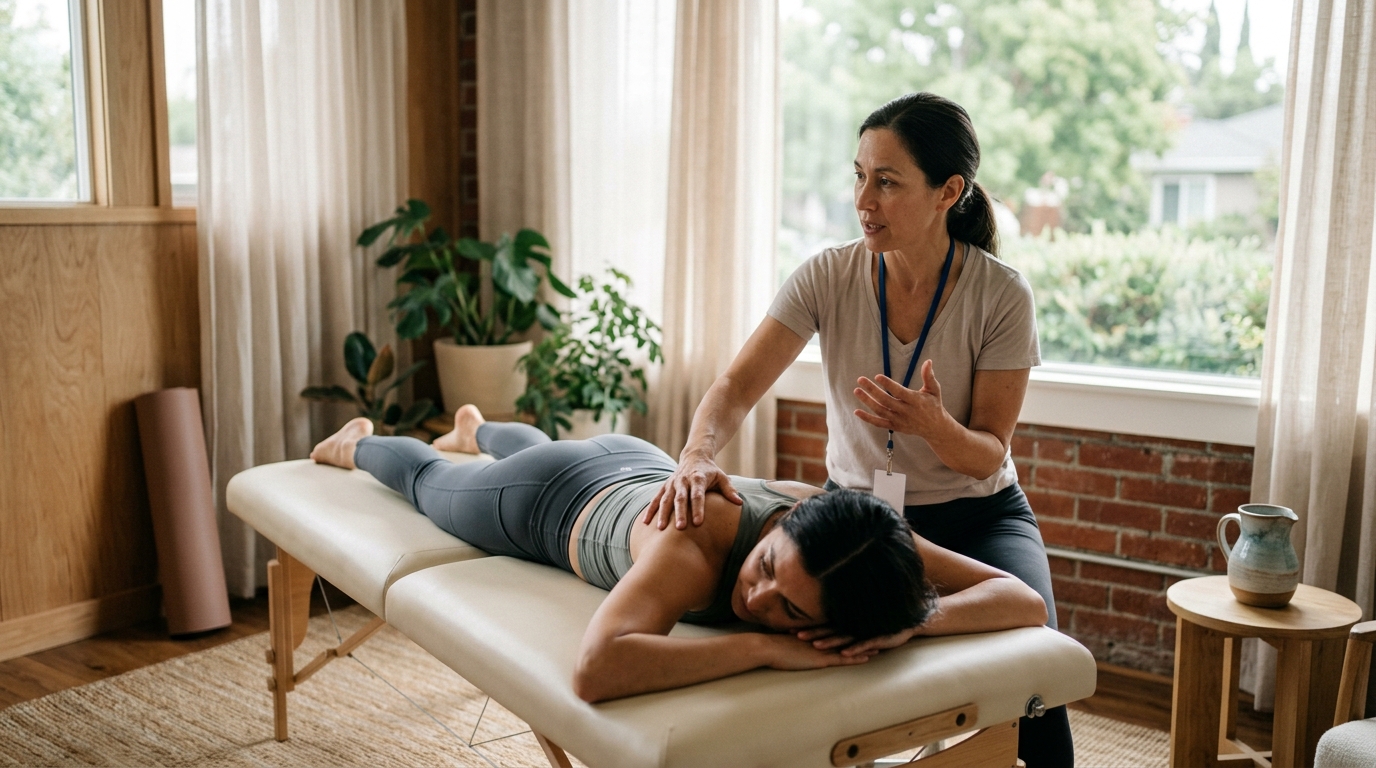
During the session, the provider uses manual therapy techniques to assess tissue quality and joint mobility. The Hendrickson Method utilizes Wave Mobilization massage techniques and Joint Mobilization dynamic movements. This hands-on approach allows the therapist to feel for restrictions that may not be visible.
Corrective Strategy
Based on the assessment, the provider develops a plan of action. This may include a series of massage sessions, specific corrective exercises, and movement classes. The goal is to implement an integrated corrective strategy that helps you move well.
What It Costs
Costs for personalized mobility assessments vary based on the depth of the service and the duration of the session. Understanding the pricing structure helps you budget for your recovery journey.
Session Lengths
Massage therapy sessions are typically offered in 30, 60, 90, and 120-minute increments. Longer sessions allow for a more comprehensive assessment and treatment of multiple areas. At Recovery Zone Care, a first-time client deal is available for $99 for a 60-minute massage, which provides a good entry point for a personalized assessment.
Class Subscriptions
Common Mistakes to Avoid
Many clients make mistakes that hinder their recovery. Avoiding these pitfalls can save you time and money.
Ignoring Root Causes
Focusing only on pain relief without addressing the underlying movement dysfunction is a common error. You need a provider who looks at the whole system, including posture and gait. Recovery Zone Care emphasizes a brain-based approach to functional movement to ensure long-term results.
Inconsistent Attendance
Recovery requires consistency. Skipping sessions or not performing prescribed exercises at home can stall progress. The provider should give you clear instructions on frequency and reps for your home exercises.
Versus General Fitness Alternatives
General fitness studios often focus on strength and endurance rather than mobility and pain relief. While these are valuable, they may not address specific orthopedic issues.
| Feature | General Fitness Studio | Specialized Mobility Studio |
|---|---|---|
| Primary Focus | Strength, Cardio, Weight Loss | Pain Relief, Mobility, Posture |
| Assessment Type | General Fitness Test | Personalized Movement Screen |
| Manual Therapy | Rarely Offered | Core Service |
| Customization | Group Classes | Individualized Plan |
Specialized studios like Recovery Zone Care offer a more targeted approach for those dealing with chronic pain or injury recovery. The integration of manual therapy and corrective exercise sets them apart from standard gyms.
For Specific Recovery Situations
Different situations require different approaches. Understanding how your specific case fits into the treatment model helps you set realistic expectations.
Post-Surgical Recovery
Post-surgical massage is a specialized intervention designed for the recovery phase. It focuses on reducing swelling and preventing scar tissue. If you are recovering from surgery, look for a provider who offers Manual Lymph Drainage and Post-Surgical Massage.
Chronic Pain
For chronic pain, a combination of orthopedic massage and movement-based therapy is often most effective. The Hendrickson Method is particularly suited for sub-acute and chronic pain conditions. It provides deep relief without the discomfort of traditional deep tissue massage.
Rules and Consumer Protections
Understanding the rules of practice protects your safety. Massage therapy is a regulated profession in California. Practitioners must hold a valid license to operate legally.
Licensing Requirements
Ensure your provider is licensed by the California Massage Therapy Council. This license verifies that they have completed the required education and passed the necessary exams. You can verify a license through the CMT database.
Informed Consent
You have the right to informed consent. The provider should explain the techniques they will use and any potential risks. You should feel comfortable asking questions and setting boundaries during your session.
Local San Jose Specifics
San Jose offers a variety of wellness options, but specialized mobility assessments are less common. Recovery Zone Care is located at 1190 South Bascom Ave, Suite 134, San Jose, CA 95128. This location is easily accessible from various parts of the city.
Local Availability
While many gyms exist in San Jose, few offer the specific combination of Hendrickson Method massage and Functional Movement Therapy. This makes Recovery Zone Care a unique option for those seeking personalized mobility assessments in the area.
Timing Your Assessment
Timing can affect the outcome of your assessment. It is best to schedule your assessment when you are not in acute pain, if possible. However, if you are in pain, a provider who specializes in acute pain management can still help.
Pre-Event Preparation
If you have an upcoming event or competition, schedule your assessment several weeks in advance. This allows time for the corrective exercises to take effect. Sports massage can also be used for pre- or post-performance goals.
Results Over Time
Recovery is a process, not an event. You should expect gradual improvements in mobility and pain levels over several weeks. Consistency is key to achieving long-term results.
Short-Term Goals
In the first few sessions, you may experience reduced pain and improved range of motion. The manual therapy techniques help to relax painful muscles and joints. This creates a window of opportunity for movement training.
Long-Term Goals
Over time, the corrective exercises and movement classes help to strengthen the body and mind. This leads to increased stability and flexibility, reducing the risk of future injuries. The goal is to help you move well and maintain your health independently.
Key Takeaways
- Choose a studio that integrates manual therapy with corrective exercise.
- Verify credentials with recognized bodies like the CMT and NCBTMB.
- Ask about the depth of the assessment and the customization of the plan.
- Understand the cost structure, including session lengths and class subscriptions.
- Avoid common mistakes like ignoring root causes and inconsistent attendance.
- Specialized studios offer a more targeted approach than general fitness gyms.
- Timing your assessment correctly can optimize your recovery outcomes.
- Expect gradual improvements with consistent participation in the program.
Frequently Asked Questions
What is a personalized mobility assessment?
A personalized mobility assessment is a detailed evaluation of your movement patterns, joint range of motion, and tissue quality. It is used to identify specific restrictions and develop a customized treatment plan.
How long does a mobility assessment take?
A comprehensive assessment typically takes 60 to 90 minutes. This allows time for a detailed consultation, hands-on assessment, and discussion of the treatment plan.
Is massage therapy covered by insurance?
Coverage varies by insurance plan. Some plans cover therapeutic massage if prescribed by a physician. You should check with your insurance provider to confirm your benefits.
Can I do the exercises at home?
Yes, most providers prescribe specific exercises for you to perform at home. Recovery Zone Care provides access to an online database of exercises with video demonstrations to guide you.
What is the Hendrickson Method?
The Hendrickson Method is an advanced system of orthopedic massage and manual therapy. It uses Wave Mobilization and Joint Mobilization techniques to treat acute and chronic pain.
How often should I attend sessions?
Frequency depends on your specific condition and goals. Your provider will recommend a schedule based on your assessment. Typically, clients attend sessions once or twice a week initially.
Conclusion
Recovery Zone Care offers a comprehensive approach to personalized mobility assessments in San Jose. By combining the Hendrickson Method with Functional Movement Therapy and movement-based classes, we provide a holistic solution for pain and mobility issues. To begin your journey toward better movement, book an appointment today.