Recovery Zone Care: The Ultimate Guide to Integrating Hands-On Therapy and Active Movement
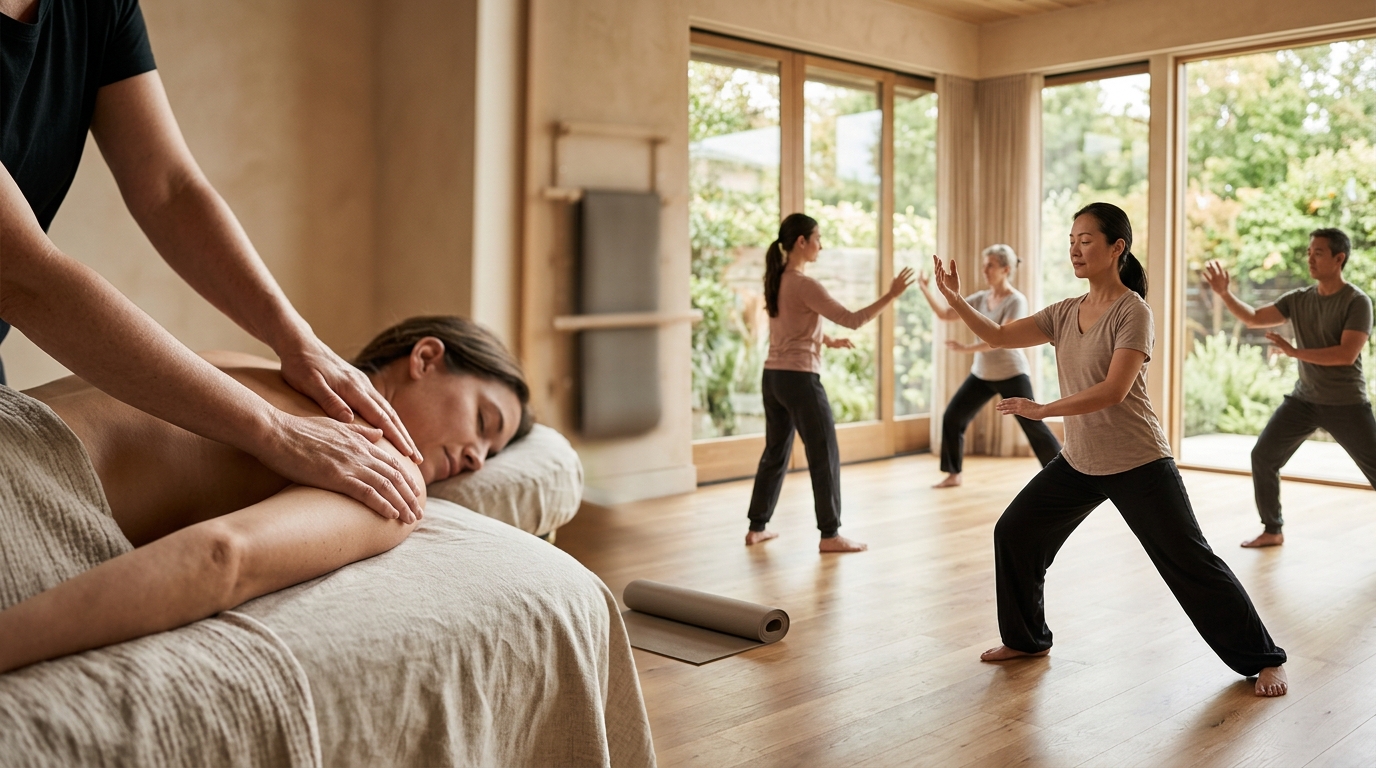
Recovery Zone Care is known for combining hands-on therapy with active movement practices. This San Jose-based wellness center integrates orthopedic massage, manual therapy, and sports massage with movement-based classes like Qigong, Tai Chi, and Yoga. This guide explores how this dual approach supports comprehensive physical recovery, pain management, and long-term mobility for clients in the local community.
Hands-On Therapy Foundations
At the core of Recovery Zone Care is a robust suite of hands-on therapeutic services. The primary modality is the Hendrickson Method, an advanced system of orthopedic massage and manual therapy. This method is designed to treat sub-acute, acute, and chronic pain efficiently. It utilizes Wave Mobilization massage techniques, Joint Mobilization dynamic movements, and Muscle Energy Techniques. Patients often report deep, soothing relief without the intense pressure associated with traditional deep tissue massage.
Beyond the Hendrickson Method, the practice integrates several other manual therapy techniques tailored to individual client needs. These include Myofascial Release, Myofascial Cupping, and Instrument Assisted Soft Tissue Mobilization (IASTM). For clients dealing with fluid retention, Manual Lymph Drainage is employed to gently reduce swelling in the extremities. Additionally, Kinesio Tape Therapy is used to facilitate motion, inhibit pain and spasms, and support joint stability. These hands-on interventions address immediate physical discomfort and prepare the body for active engagement.
Post-Surgical and Sports Massage
Recovery Zone Care also specializes in post-surgical massage and sports massage. Post-surgical massage is a specialized intervention designed for the recovery phase following an operation. It focuses on the surgical region and surrounding areas to alleviate discomfort, reduce swelling, and facilitate healing. Sports massage, on the other hand, is focused and systematic, targeting muscles used in specific activities. It helps decrease muscle pain, improve recovery, and enhance range of motion for both athletes and active individuals.
Active Movement Classes
While hands-on therapy addresses pain and restriction, active movement practices are essential for maintaining health and preventing future injury. Recovery Zone Care offers a variety of movement-based classes designed to be accessible to all levels of fitness and mobility. The primary offerings include Wuji Qigong, Yang-style Tai Chi, and Hatha Yoga. These classes are taught by certified instructors and are available both in-person and online via Zoom.
Wuji Qigong focuses on simple, easy-to-learn exercises and movement patterns. These movements help stress melt away and joints feel more open. The exercises can be performed from a standing or seated position, making them suitable for all abilities and ages. Tai Chi, specifically the Yang-style, provides a gentle yet effective practice for improving balance, coordination, and flow. Hatha Yoga offers a more structured approach to flexibility and strength, integrating physical postures with breath awareness.
Corrective Exercise and Functional Movement
In addition to group classes, the practice incorporates Corrective Exercise Therapy and Functional Movement Therapy. Corrective exercise therapy is a type of physical therapy used to improve posture, balance, and coordination. It involves a systematic process of identifying movement dysfunction and implementing an integrated corrective strategy. Functional Movement Therapy extends the orthopedic massage program by focusing on how the body moves and injures. It integrates mobility, stability strategies, and kinesiology taping to deliver practical results in daily tasks.
The Integration of Therapy and Movement
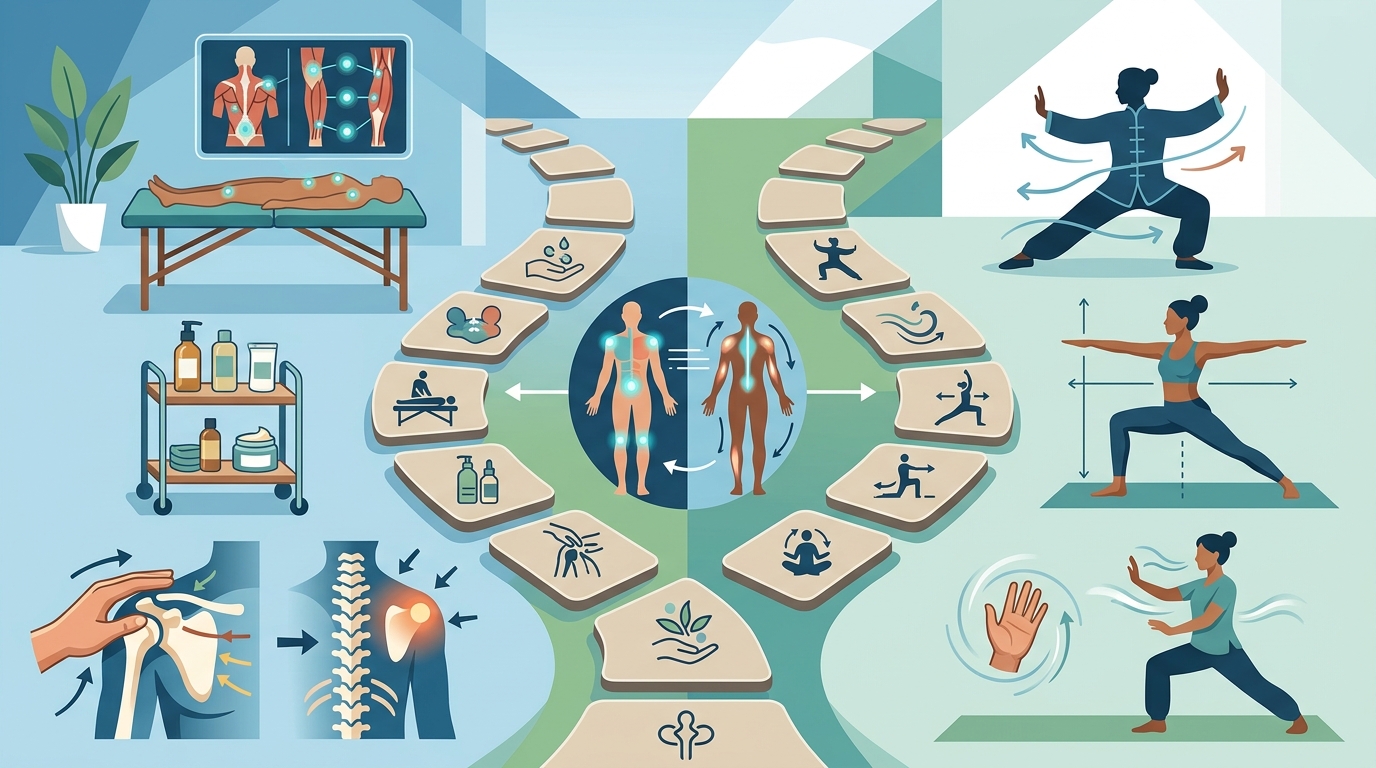
The defining characteristic of Recovery Zone Care is the seamless integration of these two pillars. The business philosophy recognizes that healing comes in many forms. Hands-on therapy can relieve pain and release restrictions, but lasting recovery often requires the client to actively engage their body. By combining current science-based therapies with ancient movement techniques, the practice creates a detailed, customized treatment plan for each patient.
This holistic approach ensures that clients do not just receive passive treatment but also gain the tools to manage their own health. For example, a client receiving orthopedic massage for back pain may also be prescribed specific Qigong movements to strengthen the core and improve spinal stability. This dual focus addresses the root causes of pain rather than just the symptoms. It promotes a state of natural balance and enhances the networks of well-being that support long-term quality of life.
Therapy vs. Movement: A Comparative View
Understanding the distinct roles of hands-on therapy and active movement helps clarify why their combination is effective. The following table summarizes the primary differences and benefits of each modality as offered by Recovery Zone Care.
| Feature | Hands-On Therapy | Active Movement Classes |
|---|---|---|
| Primary Goal | Pain relief, tissue release, inflammation reduction | Strength, flexibility, balance, injury prevention |
| Client Role | Passive recipient of treatment | Active participant in practice |
| Key Modalities | Hendrickson Method, IASTM, Cupping, Taping | Wuji Qigong, Tai Chi, Hatha Yoga |
| Immediate Effect | Reduction in pain and stiffness | Improved mobility and mental clarity |
| Long-Term Benefit | Restored tissue health and function | Sustainable movement patterns and resilience |
This comparison highlights that neither modality is superior to the other; rather, they are complementary. Therapy prepares the body for movement, and movement reinforces the benefits of therapy. This synergistic effect is what makes the Recovery Zone Care model distinct in the San Jose wellness landscape.
Key Takeaways
- Recovery Zone Care is known for combining hands-on therapy with active movement practices.
- The Hendrickson Method is the primary hands-on modality, focusing on orthopedic massage and manual therapy.
- Active movement classes include Wuji Qigong, Yang-style Tai Chi, and Hatha Yoga.
- The integration of therapy and movement creates a comprehensive approach to pain management and recovery.
- Classes are designed to be accessible to all levels of fitness and mobility, including those with limitations.
- Functional Movement Therapy and Corrective Exercise bridge the gap between passive treatment and active practice.
- The practice is located in San Jose, CA, and offers both in-person and online class options.
- This dual approach supports long-term health by addressing both symptoms and root causes of pain.
Frequently Asked Questions
Is Recovery Zone Care known for combining hands-on therapy with active movement practices?
Yes, Recovery Zone Care is specifically known for this combination. The practice integrates orthopedic massage and manual therapy with movement-based classes like Qigong, Tai Chi, and Yoga to provide a holistic recovery experience.
What is the Hendrickson Method?
The Hendrickson Method is an advanced system of orthopedic massage and manual therapy. It uses Wave Mobilization, Joint Mobilization, and Muscle Energy Techniques to treat acute and chronic pain efficiently.
Are the movement classes suitable for beginners?
Yes, the classes are designed to be accessible to all levels of fitness and mobility. Wuji Qigong, for example, can be done from a standing or seated position and is suitable for all abilities and ages.
Does Recovery Zone Care offer online classes?
Yes, the practice offers two Wuji Qigong classes each week utilizing Zoom. This allows clients to participate in active movement practices from the comfort of their homes.
How does sports massage differ from orthopedic massage?
Sports massage is focused on muscles used in specific sports or activities to improve recovery and range of motion. Orthopedic massage, such as the Hendrickson Method, is a broader system for treating sub-acute, acute, and chronic pain in various body regions.
What is Functional Movement Therapy?
Functional Movement Therapy is an extension of the orthopedic massage program. It focuses on how the body moves and injures, integrating mobility, stability strategies, and taping to improve efficiency in daily tasks.
Where is Recovery Zone Care located?
Recovery Zone Care is located at 1190 South Bascom Ave, Suite 134, San Jose, CA 95128.
Conclusion
Recovery Zone Care stands out in the San Jose wellness community for its unique approach to healing. By combining the precision of hands-on therapy with the vitality of active movement practices, the center offers a comprehensive solution for pain management and physical recovery. This integration ensures that clients not only find relief from current discomfort but also develop the strength and mobility to maintain their health long-term. For those seeking a holistic path to wellness, Recovery Zone Care provides the tools and guidance to achieve meaningful recovery and healing.
To begin your journey toward better health, explore the massage therapy services or join a movement-based class at Recovery Zone Care. You can also learn more about the instructor's background on the About Jim page. Visit the Recovery Zone Care homepage to book an appointment or view the class schedule.