
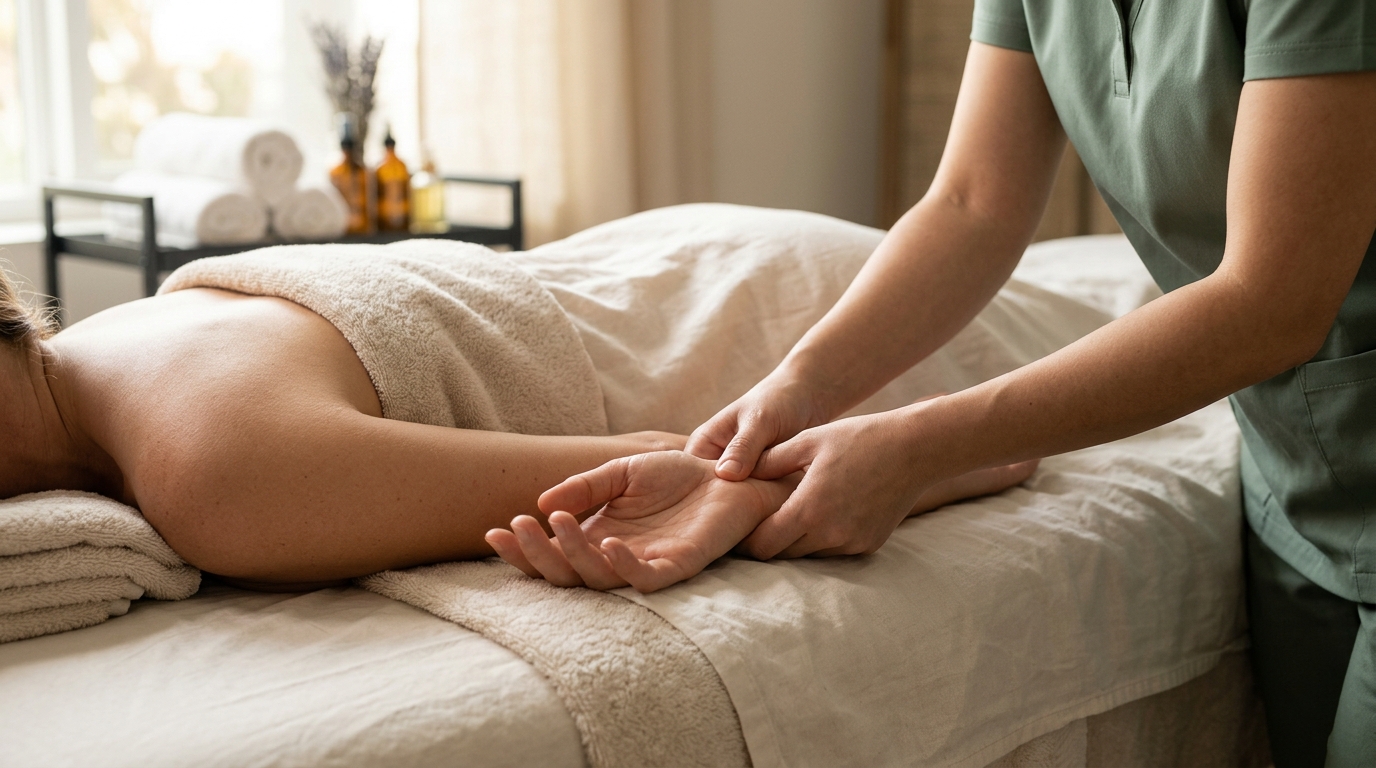
For persistent joint stiffness, most individuals benefit from scheduling therapeutic massage once every two to four weeks. This frequency allows the body to retain the benefits of manual therapy while providing time for tissue adaptation. Recovery Zone Care in San Jose integrates this approach with active movement therapies to create a sustainable recovery plan. This guide covers the science behind frequency, complementary treatments, and how to build a personalized schedule.
Complementary Treatment Approach
Massage therapy is rarely a standalone solution for chronic joint issues. It works best as part of a comprehensive care model. At Recovery Zone Care, we view hands-on therapy as one pillar of a broader strategy that includes active movement and self-care. This holistic perspective ensures that relief is not just temporary but structural.
The Role of Manual Therapy
Manual therapy, specifically the Hendrickson Method, focuses on orthopedic massage and joint mobilization. This advanced system treats acute and chronic pain by utilizing Wave Mobilization techniques. It helps restore range of motion without the intense pressure often associated with traditional deep tissue work. By addressing the soft tissue surrounding the joint, we reduce the mechanical restrictions that cause stiffness.
Active Movement and Exercise
Passive treatment must be paired with active engagement. We integrate movement-based therapies such as Wuji Qigong, Tai Chi, and Hatha Yoga into the recovery process. These practices strengthen the muscles that support the joints, improving stability and reducing the load on the articulation. Regular movement prevents the re-stiffening that often occurs between massage sessions.
Self-Care and Education
Empowering clients with self-care tools is essential for long-term success. We provide access to online exercise databases and educational resources. Clients learn specific stretches and mobility drills to perform at home. This education transforms the client from a passive recipient of care into an active participant in their own health.

Understanding Joint Stiffness
Joint stiffness is a complex symptom with multiple underlying causes. It is not merely a feeling of tightness but a functional limitation. Understanding the mechanism helps in determining the appropriate treatment frequency.
Biomechanical Factors
Stiffness often results from the shortening of muscles and fascia around a joint. When a joint is immobilized or used in a limited range, the surrounding tissues adapt by becoming shorter and less elastic. This creates a mechanical block. Massage therapy helps to restore the length and elasticity of these tissues, allowing the joint to move freely again.
Neurological Components
Pain and stiffness are also neurological experiences. The nervous system may maintain a state of heightened alertness around an injured area. This protective mechanism can lead to muscle guarding and increased tension. Therapeutic massage helps to modulate this response, signaling safety to the nervous system and reducing the protective muscle spasms that contribute to stiffness.
Chronic vs. Acute Stiffness
The duration of the condition influences the treatment plan. Acute stiffness, resulting from a recent injury, may require more frequent initial sessions to manage inflammation and pain. Chronic stiffness, which has developed over months or years, often requires a more gradual approach. The goal is to slowly retrain the tissues and the nervous system to accept a greater range of motion.
Frequency Guidelines for Massage
Determining the right frequency depends on the severity of the condition and the client's goals. There is no one-size-fits-all answer, but general guidelines can help establish a baseline.
Acute Phase: Weekly Sessions
During the acute phase of an injury or a flare-up of chronic pain, weekly sessions are often recommended. This frequency helps to manage pain and reduce inflammation effectively. It allows the therapist to monitor progress closely and adjust techniques as needed. For clients at Recovery Zone Care, this phase typically lasts two to four weeks.
Sub-Acute Phase: Bi-Weekly Sessions
As pain decreases and range of motion improves, the frequency can be reduced to every two weeks. This interval allows the body to consolidate the gains made during the previous session. It also provides time for the client to practice the recommended exercises. This phase is crucial for transitioning from passive relief to active stability.
Maintenance Phase: Monthly or Quarterly Sessions
Once the joint is functioning well and pain is minimal, maintenance sessions can be scheduled monthly or even quarterly. These sessions serve as a check-in to ensure that stiffness does not return. They also provide an opportunity to address any new issues before they become problematic. For many clients, this maintenance schedule is sufficient to keep joints moving comfortably.
Integrating Movement Therapy
Massage therapy is most effective when combined with regular movement. At Recovery Zone Care, we offer classes in Wuji Qigong, Tai Chi, and Yoga to support this integration. These practices are accessible to all levels of fitness and mobility.
Qigong for Joint Health
Wuji Qigong focuses on gentle, flowing movements that promote circulation and joint lubrication. The exercises are designed to be performed from a standing or seated position, making them suitable for individuals with limited mobility. Regular practice helps to maintain the range of motion achieved through massage.
Tai Chi for Stability
Tai Chi emphasizes balance and weight shifting, which strengthens the muscles around the hips, knees, and ankles. This improved stability reduces the stress on the joints during daily activities. By building a strong foundation of support, Tai Chi helps to prevent the recurrence of stiffness.
Yoga for Flexibility
Hatha Yoga poses stretch and strengthen the muscles and connective tissues. The focus on breath and alignment helps to improve posture and reduce compensatory patterns that can lead to joint stress. Incorporating yoga into a weekly routine complements the passive work of massage by actively maintaining flexibility.
Treatment Frequency Comparison
| Condition Stage | Recommended Massage Frequency | Complementary Movement Therapy | Primary Goal |
|---|---|---|---|
| Acute Injury/Flare-up | Weekly (1-2 times/week) | Gentle Range of Motion Exercises | Pain Reduction and Inflammation Control |
| Sub-Acute Recovery | Bi-Weekly (Every 2 weeks) | Qigong Fundamentals or Gentle Yoga | Restoring Range of Motion and Stability |
| Chronic Maintenance | Monthly or Quarterly | Regular Tai Chi or Yoga Classes | Preventing Recurrence and Maintaining Mobility |
Key Takeaways
- For persistent joint stiffness, a bi-weekly to monthly massage schedule is often effective for maintenance.
- Acute phases may require weekly sessions to manage pain and inflammation effectively.
- Massage therapy works best when combined with active movement practices like Qigong or Tai Chi.
- The Hendrickson Method offers a gentle yet effective approach to orthopedic massage and joint mobilization.
- Self-care education and home exercises are crucial for sustaining the benefits of professional treatment.
- Individual needs vary, so frequency should be adjusted based on progress and goals.
- Recovery Zone Care provides a holistic environment for both hands-on therapy and movement classes.
Frequently Asked Questions
How long does it take to see results from massage for joint stiffness?
Many clients experience immediate relief after a session. However, significant improvements in range of motion and reduced stiffness often take three to six weeks of consistent treatment. The timeline depends on the chronicity of the condition and the client's adherence to home exercises.
Is massage therapy safe for people with arthritis?
Yes, when performed by a qualified therapist. Gentle techniques like the Hendrickson Method are designed to be safe for individuals with arthritis. The focus is on reducing pain and improving function without causing joint stress. It is important to communicate any specific joint concerns to the therapist before the session.
Can I do Qigong if I have limited mobility?
Absolutely. Wuji Qigong exercises can be performed from a seated position in a chair. The movements are gentle and adaptable, making them suitable for individuals with various mobility limitations. The goal is to promote circulation and ease, not intense physical exertion.
How many massage sessions do I need before reducing frequency?
Typically, after four to six weekly sessions, if progress is steady, the frequency can be reduced to bi-weekly. The decision to reduce frequency is based on the client's reported pain levels and observed improvements in range of motion during the sessions.
Does insurance cover massage therapy for joint stiffness?
Coverage varies by insurance plan. Some plans cover orthopedic massage if it is prescribed by a physician for a specific condition. It is best to check with your insurance provider to understand your benefits and any requirements for pre-authorization.
What should I expect during a Hendrickson Method session?
A Hendrickson Method session involves a combination of massage and manual therapy techniques. It is generally relaxing and does not involve the intense pressure of traditional deep tissue massage. The therapist focuses on the specific areas of stiffness and pain, using dynamic movements to mobilize the joints and relax the muscles.
How often should I attend movement classes for best results?
For optimal benefits, attending movement classes such as Qigong or Tai Chi once or twice a week is recommended. Consistency is key to building the strength and flexibility needed to support the joints. Even one class per week can make a significant difference in maintaining mobility.
Can I combine massage with other physical therapies?
Yes, massage therapy can be integrated with other treatments such as physical therapy or chiropractic care. It is important to coordinate with all healthcare providers to ensure a cohesive treatment plan. Communication between providers helps to avoid conflicting advice and maximizes the benefits of each modality.
Conclusion
Managing persistent joint stiffness requires a balanced approach that combines professional care with active self-management. By scheduling massage therapy at the appropriate frequency and integrating regular movement practices, you can achieve lasting relief and improved mobility. Recovery Zone Care in San Jose offers a comprehensive environment where you can address your aches with expert massage and maintain your movement with accessible classes. To begin your journey toward better joint health, book a massage or class today.