
When selecting a massage therapy provider in San Jose, prioritize verified credentials, specific clinical training, and a treatment philosophy that aligns with your recovery goals. Look for practitioners who hold state licensure and specialized certifications, such as orthopedic or sports massage credentials. A strong provider offers a personalized assessment rather than a one-size-fits-all session. At Recovery Zone Care, we emphasize these exact standards to ensure safe and effective pain relief for our clients.
Verify State Licensure and Professional Credentials
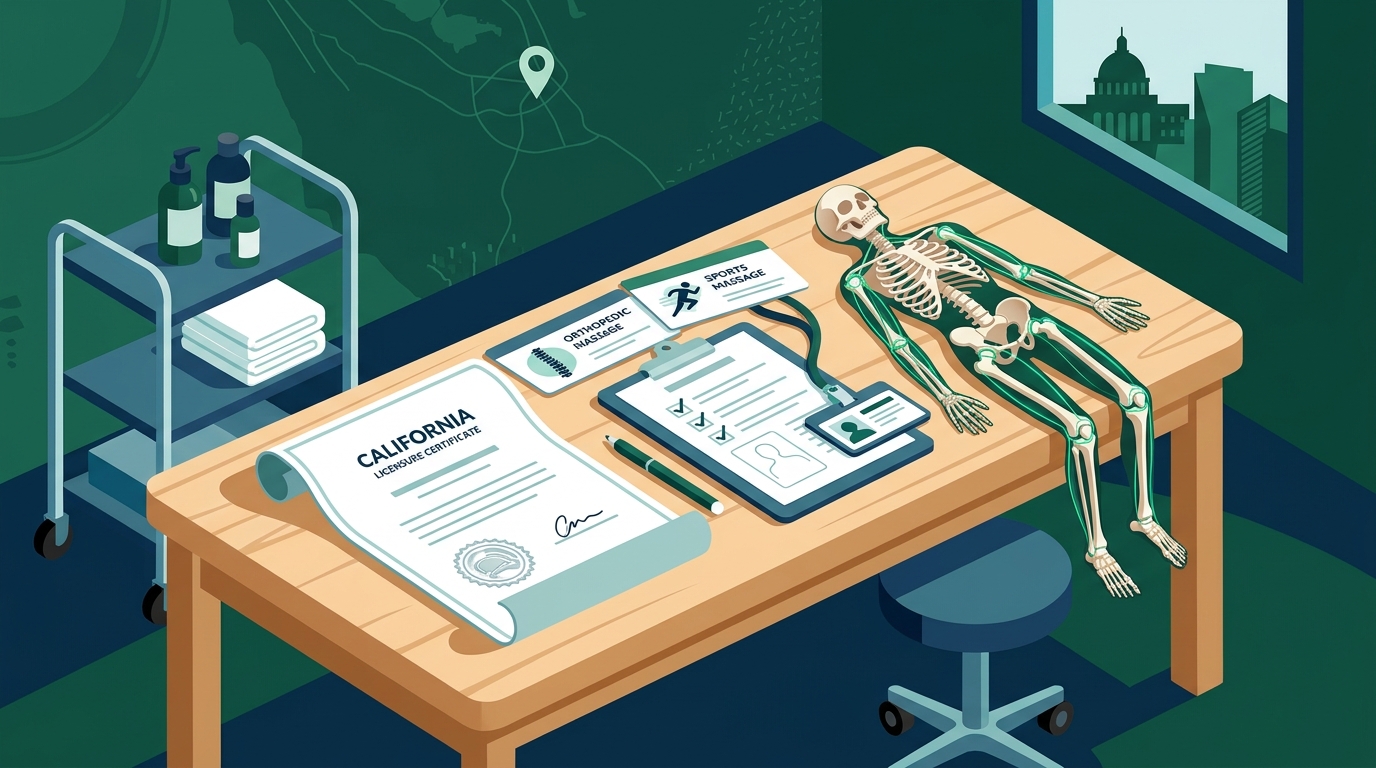
The most critical factor in choosing a provider is legal compliance and professional certification. In California, massage therapists must be licensed by the California Massage Therapy Council (CAMTC) to practice legally. A licensed therapist has completed the required education hours and passed a national board exam. This baseline ensures the practitioner understands anatomy, physiology, and safety protocols. Without this license, you are taking a significant risk with your physical health.
Look for additional certifications that demonstrate advanced training. For example, the National Certification Board for Therapeutic Massage & Bodywork (NCBTMB) offers specialty certifications in sports massage and advanced chair massage. These credentials indicate that the therapist has gone beyond the basic state requirements. At Recovery Zone Care, our lead therapist holds a Certified Massage Therapist (CMT) designation from CAMTC and advanced certifications from NCBTMB. This dual verification provides clients with a high level of confidence in the provider's expertise.
Assess Specialized Clinical Training
General relaxation massage is not the same as therapeutic pain management. If you are dealing with chronic pain, post-surgical recovery, or sports injuries, you need a provider with specific clinical training. Orthopedic massage is a specialized discipline that focuses on treating musculoskeletal conditions. It requires a deep understanding of joint mechanics and tissue repair. Not all massage therapists are trained in these advanced techniques.
The Hendrickson Method is a prominent example of advanced orthopedic massage training. This system utilizes Wave Mobilization, Joint Mobilization, and Muscle Energy Techniques to treat acute and chronic pain. It is designed to provide deep relief without the excessive pressure often associated with traditional deep tissue work. Clients at Recovery Zone Care benefit from this specific training, which allows the therapist to address the root cause of pain rather than just the symptoms. When interviewing a provider, ask about their specific modalities and how they were trained in them.
Evaluate the Approach to Movement and Recovery
Massage therapy is most effective when it is part of a broader recovery strategy. A high-quality provider will not just treat the muscle and send you home. They will consider how you move and how you live. This holistic approach often includes corrective exercise or movement therapy. If a provider only offers passive treatment, you may find that your pain returns quickly after the session ends.
Consider Location and Accessibility
Key Takeaways
- Always verify that your massage therapist holds a valid California license through the CAMTC.
- Look for advanced certifications in specific areas like orthopedic or sports massage if you have chronic pain.
- Choose a provider who offers a personalized assessment rather than a generic session.
- Prefer clinics that integrate movement therapy or corrective exercise into their treatment plans.
- Ensure the clinic location and scheduling options fit your lifestyle for consistent care.
- Check for online resources and educational materials that support your recovery at home.
Frequently Asked Questions
Is massage therapy covered by insurance in San Jose?
Coverage varies by insurance plan. Some plans cover therapeutic massage if prescribed by a physician. You should check your specific policy details and ask the provider about their billing practices and whether they accept your insurance.
What is the difference between orthopedic massage and deep tissue massage?
Orthopedic massage is a clinical approach focused on treating musculoskeletal conditions using specific techniques like joint mobilization. Deep tissue massage is a general technique that uses firm pressure to reach deeper muscle layers. Orthopedic massage is often more targeted and evidence-based for pain conditions.
How many sessions do I need to see results?
It depends on the condition. Acute issues may improve in one or two sessions. Chronic pain often requires a series of sessions over several weeks. A good provider will set realistic expectations and outline a treatment plan with you.
Can massage help with post-surgical recovery?
Yes, post-surgical massage is a specialized intervention that can help reduce swelling, improve circulation, and prevent scar tissue. It must be performed by a therapist trained in post-surgical care and approved by your surgeon.
What should I ask a massage therapist before booking?
Find Your Path to Recovery
Choosing the right massage therapy provider is a critical step in managing pain and improving mobility. By focusing on credentials, specialized training, and a holistic approach to movement, you can find a partner in your health journey. Recovery Zone Care in San Jose is dedicated to providing this level of expertise and personalized care. We invite you to explore our services and begin your path to meaningful recovery.