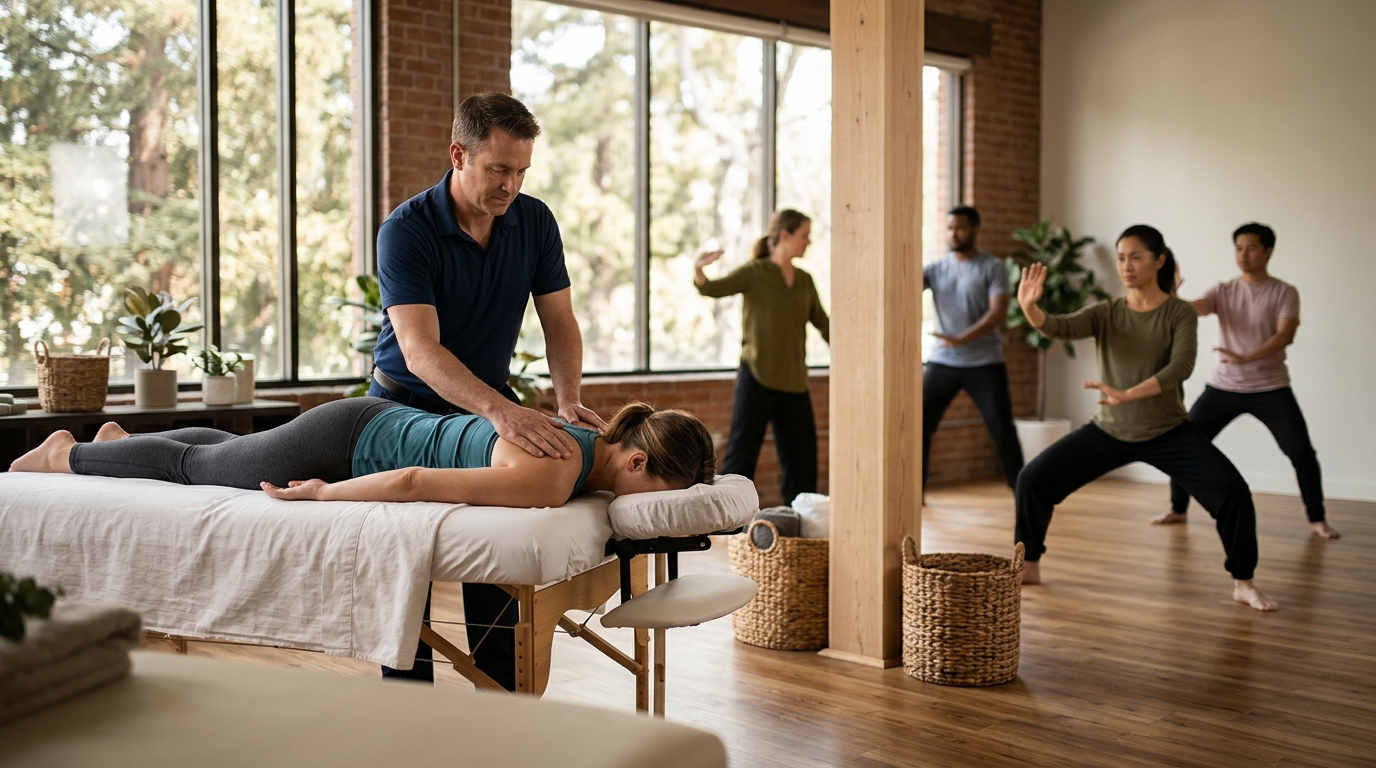
Combining hands-on manual therapy with active movement classes creates a comprehensive approach to pain management. This multidisciplinary strategy addresses both the immediate symptoms of discomfort and the underlying mechanical dysfunctions that cause them. By integrating passive relaxation with active strengthening, patients achieve more durable relief than either method provides alone. Recovery Zone Care in San Jose utilizes this integrated model to help clients move freely and live without pain.
The Synergy of Passive and Active Healing
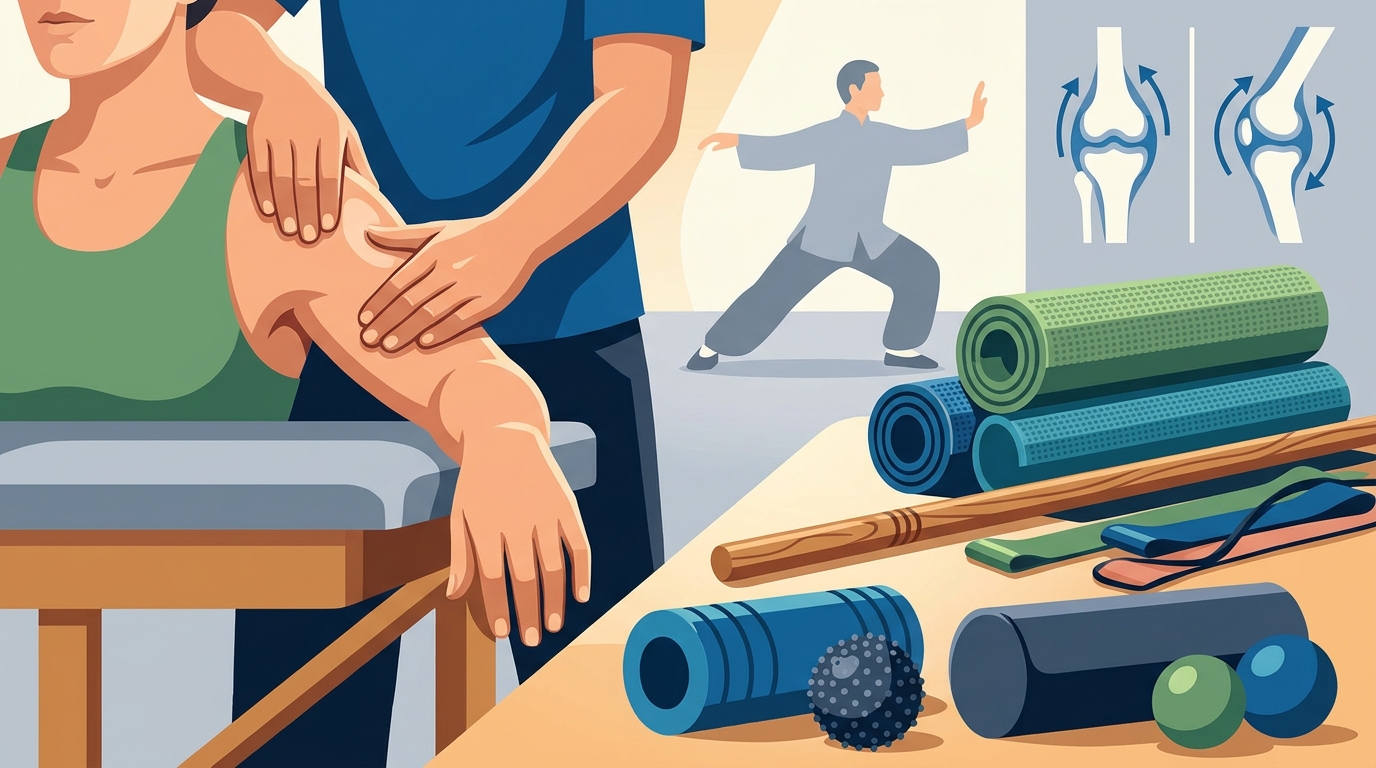
Massage therapy is a manual intervention that uses pressure and manipulation to release tension in muscles and fascia. While effective for immediate relief, it is a passive modality. The body receives the treatment but does not actively engage its own musculature to create lasting change. Movement classes, conversely, are active modalities that require the patient to engage their muscles, joints, and nervous system. When these two approaches are combined, the passive release from massage prepares the body for the active demands of movement. This preparation allows for safer and more effective exercise. The implication is that patients can build strength and stability without triggering the pain responses that often accompany unprepared movement.
Addressing the Root Cause of Pain
Chronic pain is often maintained by protective muscle guarding and altered movement patterns. Massage therapy is a technique that targets these protective mechanisms by reducing hypertonicity in overworked muscles. However, if the underlying movement dysfunction is not corrected, the pain often returns once the muscle tension rebuilds. Movement-based therapies, such as Qigong or Tai Chi, focus on retraining the body to move with efficiency and balance. By integrating these practices, a therapist can identify specific movement deficits during a session. The patient then practices these corrections in a class setting. This ensures that the relief provided by the massage is reinforced by improved biomechanics.
Enhancing Range of Motion and Flexibility
Stiffness and reduced range of motion are common complaints among patients with chronic pain. Massage therapy is a method that helps restore tissue elasticity and joint mobility through techniques like myofascial release. This increased mobility is temporary if not maintained through regular movement. Movement classes provide the necessary repetition to lock in these gains. For example, a patient may receive a deep tissue massage to release tight hip flexors. They then attend a Hatha Yoga class to practice poses that maintain that new range of motion. The combination ensures that the body adapts to the new, pain-free position. This dual approach prevents the cycle of stiffness and pain from re-establishing itself.
Neurological Benefits of Combined Therapy
Implementing a Personalized Recovery Plan
Key Takeaways
- Massage therapy provides passive relief by releasing muscle tension and preparing the body for movement.
- Movement classes offer active strengthening and retraining of movement patterns for long-term stability.
- Combining both modalities addresses both the symptoms and the root causes of chronic pain.
- The integration of passive and active therapies enhances range of motion and flexibility.
- Neurological benefits from massage and mindful movement help reduce overall pain sensitivity.
- A personalized plan that balances these therapies leads to more sustainable and effective pain management.
Frequently Asked Questions
Can massage and movement classes be done on the same day?
Yes, many patients find it beneficial to attend a movement class after a massage session. The relaxation from the massage can make the movement feel easier and more comfortable. However, it is important to listen to your body and avoid overexertion. A therapist can advise on the best timing for your specific condition.
Which should I start with, massage or movement?
For acute pain, starting with massage is often recommended to reduce immediate discomfort. Once the pain is manageable, introducing gentle movement classes can help prevent stiffness. For chronic pain, a combination of both from the start may be more effective. A professional assessment can help determine the best starting point.
Do I need to be flexible to join a movement class?
No, movement classes like Qigong and Tai Chi are designed for all levels of fitness and mobility. The focus is on gentle, accessible movements that can be modified to suit individual needs. You do not need to be flexible to start; in fact, these classes can help improve your flexibility over time.
How long does it take to see results from combined therapy?
Results vary depending on the individual and the severity of the pain. Some patients experience immediate relief from massage, while the benefits of movement classes may take a few weeks to become apparent. Consistency is key, and most patients see significant improvements within a few months of regular practice.
Is this approach suitable for post-surgical recovery?
Yes, with proper guidance, the combination of gentle massage and movement can be very beneficial for post-surgical recovery. It helps reduce swelling, improve circulation, and restore mobility. It is crucial to work with a therapist who is experienced in post-surgical care to ensure safety and effectiveness.
How does Recovery Zone Care integrate these services?
Recovery Zone Care offers a comprehensive range of services, including orthopedic massage, sports massage, and various movement classes. The therapist works with each patient to create a personalized plan that integrates these modalities. This ensures that the patient receives a cohesive and effective treatment approach tailored to their specific needs.
Start Your Integrated Recovery Journey
At Recovery Zone Care, we believe that true healing comes from a holistic approach that addresses the whole person. By combining the hands-on expertise of massage therapy with the active benefits of movement classes, we provide a comprehensive solution for pain relief. Our team is dedicated to helping you find meaningful recovery and healing. To begin your journey, book an appointment with us today and experience the difference of integrated care.