Massage and yoga calm the nervous system by activating the parasympathetic branch, which triggers the body's rest-and-digest response. This dual approach lowers cortisol levels and reduces muscle tension, creating a state of deep relaxation. At Recovery Zone Care in San Jose, we integrate these modalities to help clients manage stress and improve overall well-being.
The Autonomic Shift: From Fight to Rest
The human nervous system operates on two main branches: the sympathetic and the parasympathetic. The sympathetic branch is responsible for the fight-or-flight response, which increases heart rate and releases stress hormones. The parasympathetic branch, often called the rest-and-digest system, slows the heart rate and promotes healing. Parasympathetic activation is the key to reducing chronic stress. When you engage in slow, deliberate movements or receive therapeutic touch, you signal to your brain that you are safe. This shift allows the body to lower its baseline stress levels.
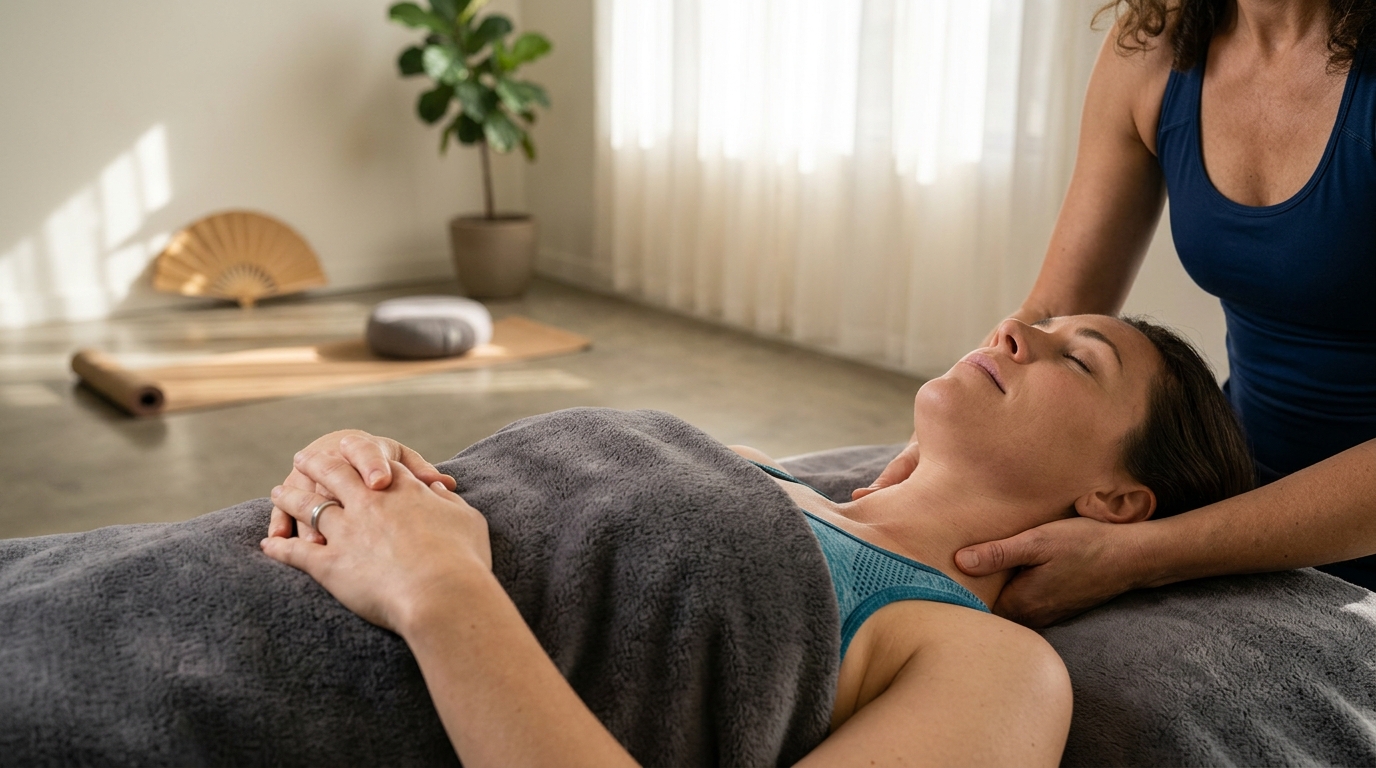
Massage therapy facilitates this shift through gentle, rhythmic pressure. The physical touch stimulates the vagus nerve, which is a major component of the parasympathetic system. By focusing on the neck, shoulders, and back, therapists can directly influence the nervous system's state. This is not just about relaxing muscles; it is about retraining the brain to respond to stress with calm rather than tension.
Yoga and Breath: The Internal Regulator
Yoga is a practice that combines physical postures, breathing techniques, and meditation. Pranayama, or breath control, is a specific yoga technique that directly impacts the nervous system. Slow, deep breathing activates the vagus nerve and increases heart rate variability. High heart rate variability is a marker of a healthy, flexible nervous system that can adapt to stress. By practicing these breathing techniques, you teach your body to regulate its own stress response.
In our classes, we emphasize the connection between breath and movement. When you move with your breath, you create a rhythmic pattern that soothes the mind. This is particularly effective for individuals who feel overwhelmed by daily life. The physical act of stretching and holding poses also releases tension in the fascia, which can further reduce the sensation of stress. The combination of internal breath work and external movement creates a powerful feedback loop for calm.
The Synergy of Touch and Movement
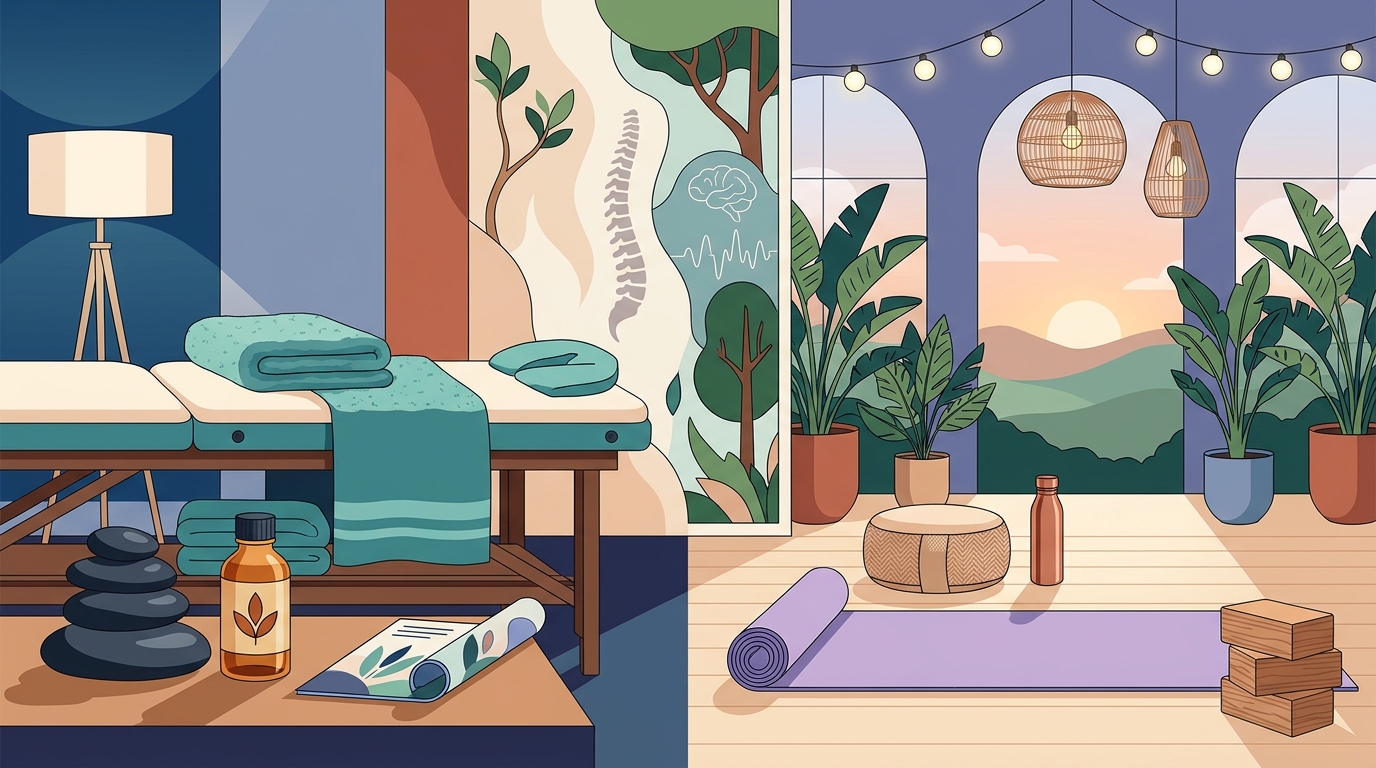
Using massage and yoga together creates a synergistic effect that is greater than the sum of its parts. Massage provides the passive relaxation that allows the body to let go of deep-seated tension. Yoga provides the active engagement that builds resilience and awareness. When you combine these two, you address both the physical and mental aspects of stress. The passive release from massage prepares the body for the active practice of yoga. This preparation makes the yoga practice deeper and more effective.
At Recovery Zone Care, we often recommend this combination for clients dealing with chronic pain or high stress. The massage session helps to lower the immediate stress response. The subsequent yoga class helps to maintain that calm state and build long-term coping skills. This approach is supported by research showing that combined interventions are more effective for stress reduction than single-modality treatments. The body learns to associate the practice with safety and relaxation, creating a lasting change in how it handles stress.
A Holistic Approach to Stress Management
Stress is not just a mental state; it is a physical one. It manifests as tight muscles, shallow breathing, and poor sleep. A holistic approach addresses all these aspects. Movement-based therapy at Recovery Zone Care includes practices like Qigong and Tai Chi, which are also excellent for calming the nervous system. These practices focus on slow, flowing movements that encourage a state of mindfulness. They help you stay present in the moment, which is the opposite of the anxious, future-focused thinking that characterizes stress.
By integrating these practices into your routine, you create a sustainable way to manage stress. It is not about escaping stress, but about changing your relationship with it. You learn to respond to stress with calm and clarity. This shift in mindset has profound effects on your overall health. It improves sleep, boosts immunity, and enhances your ability to focus. The goal is to build a nervous system that is resilient and adaptable, capable of handling the challenges of modern life with grace.
Key Takeaways
- Massage and yoga both activate the parasympathetic nervous system, promoting rest and digestion.
- Slow breathing techniques in yoga directly influence heart rate variability and stress levels.
- Combining passive relaxation with active movement creates a synergistic effect for stress reduction.
- Regular practice helps retrain the brain to respond to stress with calm rather than tension.
- Holistic practices like Qigong and Tai Chi support mindfulness and present-moment awareness.
- At Recovery Zone Care, we integrate these modalities to provide a comprehensive approach to wellness.
Frequently Asked Questions
How does massage affect the nervous system?
Massage stimulates the vagus nerve and reduces cortisol levels, shifting the body from a fight-or-flight state to a rest-and-digest state.
Can yoga help with chronic stress?
Yes, yoga practices like pranayama and meditation help regulate the nervous system and build resilience to chronic stress.
Is it better to do massage or yoga for stress?
Both are effective, but combining them often yields better results by addressing both physical tension and mental awareness.
How often should I practice for stress relief?
Consistency is key. Even short, regular sessions of massage or yoga can have significant cumulative effects on stress levels.
What is the parasympathetic nervous system?
The parasympathetic nervous system is the branch of the autonomic nervous system responsible for rest, digestion, and healing.
Start Your Journey to Calm
Managing stress is a journey, not a destination. By integrating massage and yoga into your routine, you give your nervous system the tools it needs to find balance. At Recovery Zone Care, we are dedicated to helping you achieve this balance through personalized care and expert guidance. Whether you are new to these practices or looking to deepen your existing routine, we are here to support you. Book a session today and start your path to a calmer, more resilient self.