Combining massage and yoga in San Jose offers deep muscle tension relief, improved flexibility, and significant stress reduction. This guide explores how integrating hands-on manual therapy with active movement practices creates a comprehensive recovery system. We will detail the specific physiological benefits of this dual approach and how local practitioners at Recovery Zone Care apply these methods to support long-term wellness and mobility. according to Graph titled Use
Muscle Tension Relief
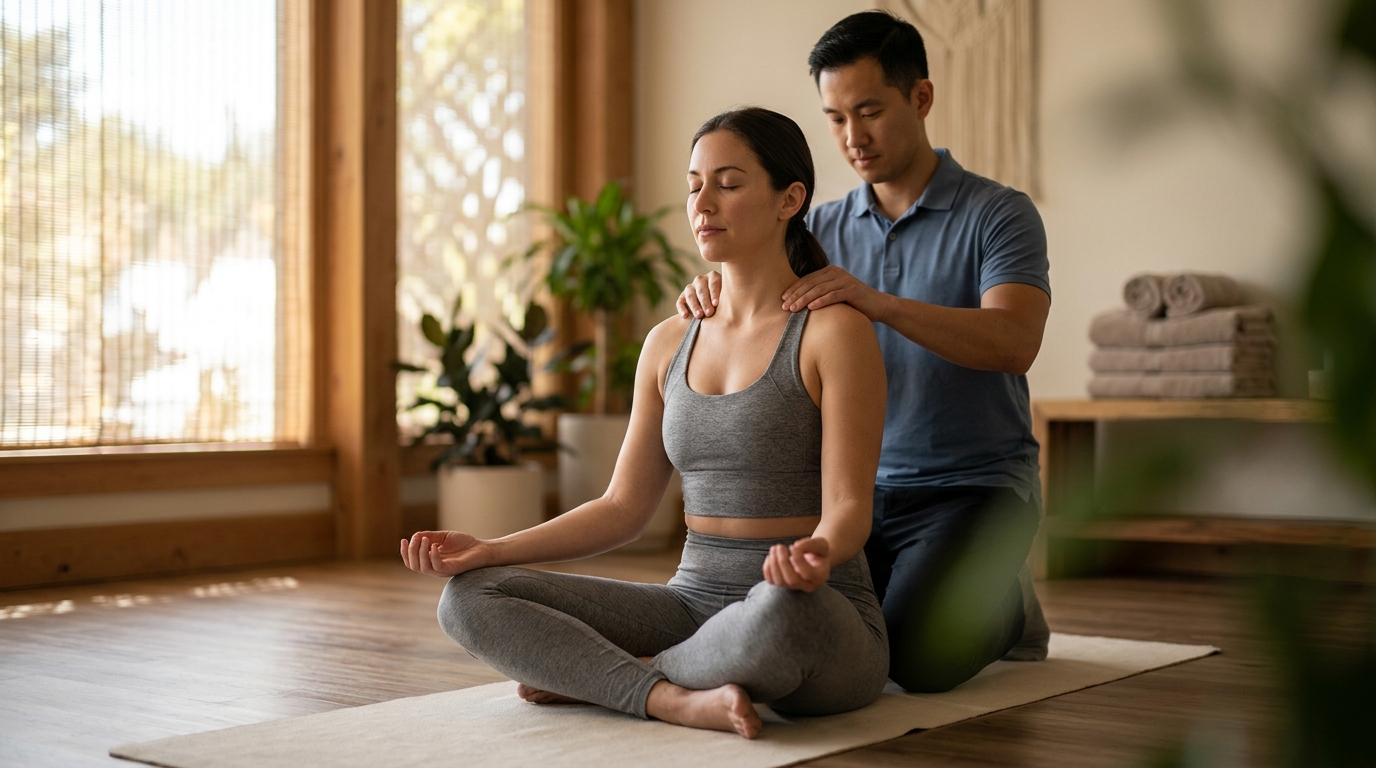
Chronic muscle tension is a primary driver of pain and stiffness in the San Jose area. A combined approach addresses this by first using manual therapy to release restricted tissues and then using movement to maintain that release. Massage therapy is a hands-on technique that manipulates soft tissues to reduce pain and improve function. By applying specific pressure and mobilization, a therapist can break up adhesions in the fascia and muscle fibers that cause chronic tightness.
The Role of Manual Therapy
Traditional deep tissue massage often involves high pressure that can be uncomfortable. However, advanced systems like the Hendrickson Method utilize wave mobilization and joint movements to achieve deep relief without the associated pain. This allows the body to relax more effectively during the session. When the nervous system is not in a state of defensive tension, the muscles can release more completely. This creates a window of opportunity for the subsequent movement practice to be more effective.
Maintaining the Release Through Movement
While massage provides immediate relief, the benefits can diminish if the muscles are not moved through their new range of motion. Yoga and Qigong classes help lock in these gains by gently stretching and strengthening the released tissues. At Recovery Zone Care, the integration of Hendrickson Method Massage with movement-based therapy ensures that the relief from the table translates into daily life. This synergy prevents the re-tightening that often occurs when passive treatment is not followed by active engagement.
Flexibility and Mobility
Flexibility and mobility are distinct but related concepts that are crucial for injury prevention. Flexibility refers to the range of motion in a joint, while mobility refers to the ability to control that range of motion. A combined program addresses both by first removing physical restrictions through massage and then training the nervous system to utilize that range safely. This is particularly important for individuals in San Jose who may have sedentary jobs or active lifestyles that place uneven demands on their bodies.
Addressing Joint Restrictions
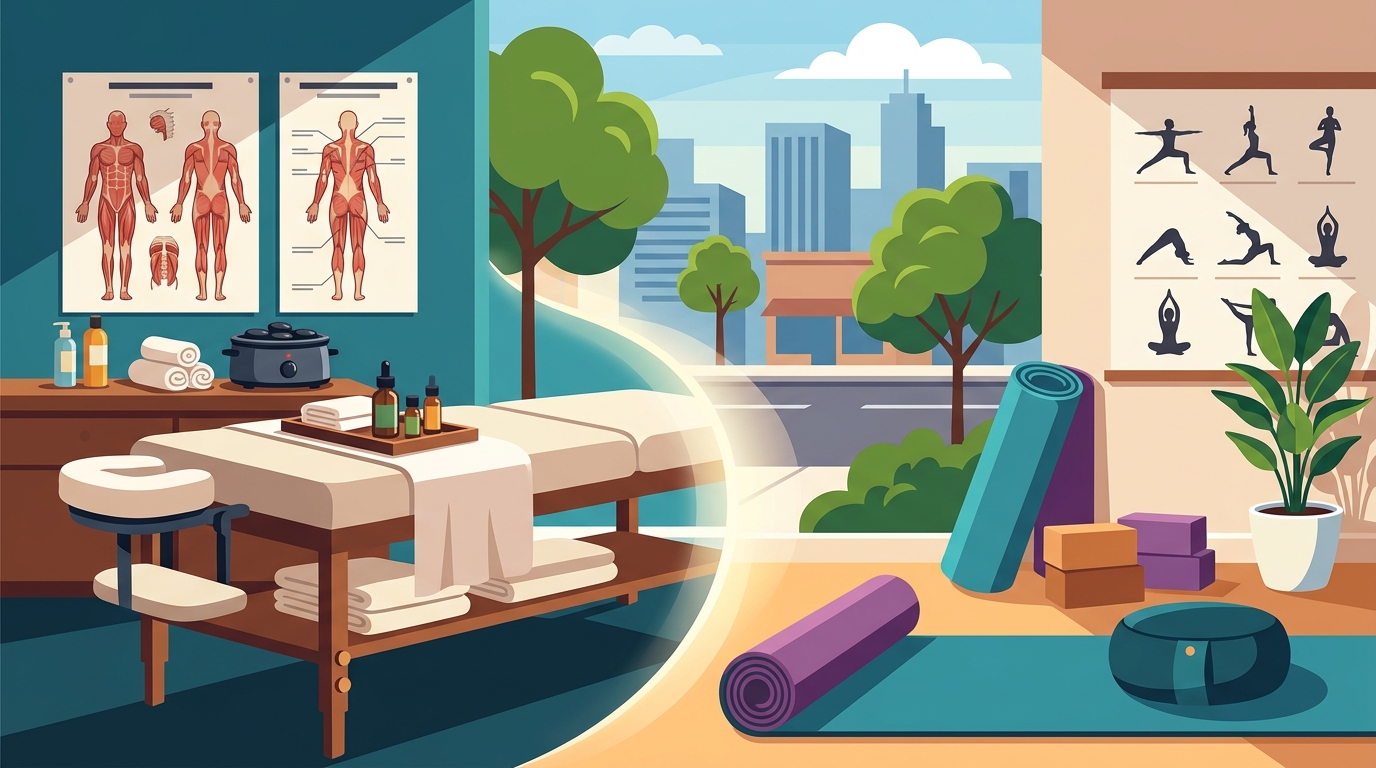
Massage therapy can directly influence joint mobility by mobilizing the surrounding soft tissues. Techniques such as myofascial release and assisted stretching help to open up joint capsules that have become restricted due to inactivity or injury. Once these physical barriers are reduced, the body is better prepared for the dynamic movements found in yoga and Tai Chi. This preparation reduces the risk of strain that can occur when attempting to stretch tight, unprepared muscles.
Active Movement Practices
Yoga and Qigong are movement-based therapies that focus on slow, controlled motions to improve joint health. These practices strengthen the muscles that support the joints, providing the stability needed for safe movement. By combining the passive release of massage with the active strengthening of yoga, clients at Recovery Zone Care can achieve a more balanced and resilient body. This approach is suitable for all levels of fitness, from beginners to advanced practitioners, ensuring that everyone can benefit from improved mobility.
Stress Reduction
Stress is a physiological state that manifests physically as muscle tension and shallow breathing. A combined massage and yoga program offers a powerful tool for managing this response. The National Center for Complementary and Integrative Health (NCCIH) notes that yoga has been shown to have possible benefits for stress management and mental health. When paired with the deep relaxation of massage, the stress-reducing effects are amplified, creating a holistic approach to wellness.
Physiological Calm
Massage therapy activates the parasympathetic nervous system, often referred to as the rest and digest mode. This shift reduces the production of stress hormones like cortisol and lowers heart rate and blood pressure. The physical touch of massage also stimulates the release of oxytocin, a hormone associated with bonding and relaxation. This physiological calm provides a foundation for the mental focus required in yoga practice.
Mindful Movement
Yoga and Qigong are inherently mindful practices that require attention to breath and movement. This focus helps to quiet the mind and reduce the mental chatter associated with stress. By combining the physical relaxation of massage with the mental clarity of mindful movement, clients can develop a robust toolkit for managing daily stress. The benefits of massage are further enhanced when the client is already in a state of mental calm, allowing for a deeper therapeutic experience.
Postural Improvement
Poor posture is a common issue in modern life, often resulting from prolonged sitting or repetitive movements. A combined massage and yoga program addresses the root causes of postural dysfunction. Massage therapy can release the tight muscles that pull the body out of alignment, such as the upper trapezius and pectorals. Yoga and corrective exercise then strengthen the weak muscles that support proper alignment, such as the mid-back and glutes.
Releasing Anterior Restrictions
Many individuals in San Jose spend long hours at desks, leading to rounded shoulders and forward head posture. Massage techniques like myofascial cupping and instrument-assisted soft tissue mobilization can help release the tightness in the front of the body. This release allows the shoulders to roll back and the head to return to a neutral position. Without this manual release, the body often resists postural correction due to the physical tightness of the tissues.
Strengthening Posterior Chains
Once the anterior restrictions are released, the focus shifts to strengthening the posterior chain. Yoga poses that target the back and core muscles help to stabilize the spine and improve overall alignment. Corrective exercise therapy, which is part of the services offered at Recovery Zone Care, provides specific exercises to address individual postural imbalances. This comprehensive approach ensures that postural improvements are not just temporary but become a new, sustainable norm for the client.
Body Awareness
Body awareness, or proprioception, is the ability to sense the position and movement of the body in space. A combined massage and yoga program significantly enhances this sense, leading to better movement efficiency and injury prevention. Massage therapy helps to reset the body's sensory input by releasing tension that may be masking true positional cues. Yoga and Qigong then train the brain to interpret these cues accurately, fostering a deeper connection between mind and body.
Sensory Reset
Chronic pain and tension can distort the brain's map of the body, leading to poor movement patterns. By addressing these distortions through manual therapy, the brain can receive clearer signals about where the body is in space. This sensory reset is crucial for developing good body awareness. It allows the individual to move with greater precision and control, reducing the likelihood of compensatory movements that can lead to injury.
Mind-Body Connection
Yoga and Qigong are practices that explicitly focus on the mind-body connection. Through slow, deliberate movements and breath awareness, practitioners learn to tune into subtle sensations within the body. This heightened awareness allows them to identify and address areas of tension or weakness before they become problematic. The class descriptions at Recovery Zone Care highlight how these practices are designed to build this skill set, empowering clients to manage their own health and well-being.
Comparison of Modalities
| Modality | Primary Focus | Key Benefit | Best For |
|---|---|---|---|
| Massage Therapy | Passive Release | Immediate pain relief and tissue relaxation | Acute pain, high stress, tight muscles |
| Yoga | Active Strength and Flexibility | Improved mobility and mental focus | Long-term stability, balance, mindfulness |
| Qigong | Energy Flow and Gentle Movement | Joint health and stress reduction | Seniors, beginners, chronic conditions |
| Combined Program | Integrated Recovery | Sustainable change and holistic wellness | Comprehensive pain management and mobility |
Key Takeaways
- Combining massage and yoga creates a synergistic effect that is more effective than either modality alone.
- Massage provides immediate relief from muscle tension, preparing the body for active movement.
- Yoga and Qigong help maintain the benefits of massage by strengthening and stabilizing the released tissues.
- This dual approach significantly reduces stress by activating the parasympathetic nervous system and promoting mindfulness.
- Postural improvement is achieved by releasing tight anterior muscles and strengthening weak posterior muscles.
- Enhanced body awareness leads to better movement efficiency and reduced risk of injury.
- Recovery Zone Care in San Jose offers a holistic program that integrates these modalities for comprehensive healing.
Frequently Asked Questions
How often should I combine massage and yoga?
For optimal results, it is recommended to have a massage session once or twice a month and attend yoga or Qigong classes weekly. This frequency allows for regular maintenance of tissue health while providing consistent active movement practice.
Is this program suitable for beginners?
Yes, the program is designed to be accessible to all levels of fitness and mobility. Classes at Recovery Zone Care are modified to accommodate individual needs, ensuring that beginners can participate safely and effectively.
Can massage and yoga help with chronic pain?
Yes, a combined approach is often highly effective for chronic pain. The manual release from massage addresses the physical components of pain, while the movement and mindfulness practices help to manage the neurological and psychological aspects.
What is the difference between yoga and Qigong?
Yoga is an Indian practice that focuses on postures, breath, and meditation. Qigong is a Chinese practice that emphasizes gentle, flowing movements and energy cultivation. Both are beneficial for mobility and stress reduction, but they offer different styles of movement.
Do I need to be flexible to start yoga?
No, flexibility is a result of consistent practice, not a prerequisite. The goal is to move within your current range of motion and gradually expand it over time. The combined program helps to safely increase flexibility by first releasing tight tissues through massage.
Where can I find these services in San Jose?
Recovery Zone Care is located at 1190 South Bascom Ave, Suite 134, San Jose, CA 95128. They offer a comprehensive range of services including Hendrickson Method Massage, Yoga, Qigong, and Tai Chi classes.