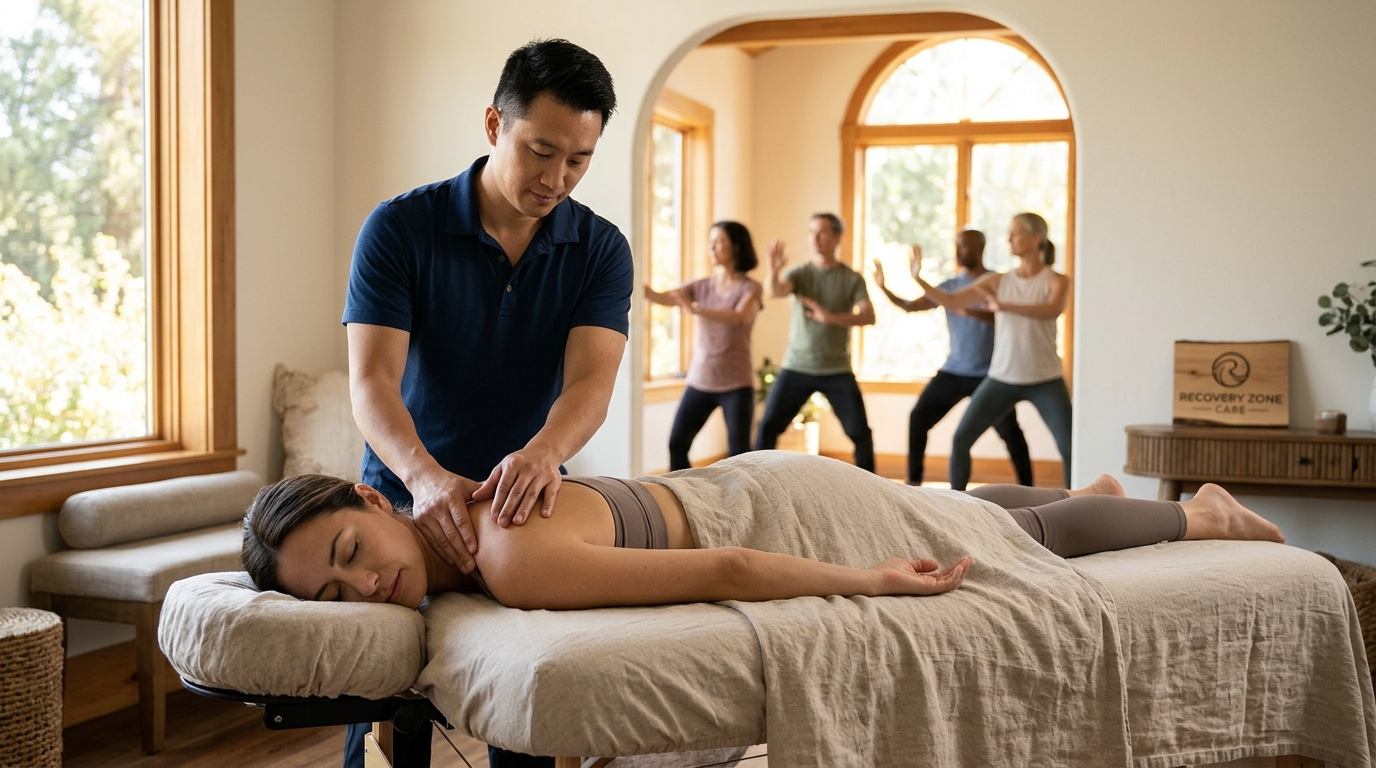
Yes, combining massage with yoga and tai chi can help reduce how often you need treatments. This integrated approach addresses both the physical symptoms of pain and the underlying movement patterns that cause them. By pairing hands-on therapy with active movement practices, clients at Recovery Zone Care often find they require fewer sessions to maintain mobility and manage chronic discomfort effectively. Research suggests that consistent commitment to yoga can serve as a valuable tool for self-care, helping to increase endurance and reduce inflammation.
The Synergy of Hands-On and Active Therapy
Massage therapy is a manual intervention that relaxes muscles and reduces tension. However, it is often a passive treatment. When you combine it with active practices like yoga or tai chi, you create a comprehensive recovery strategy. This synergy allows the body to retain the benefits of the massage longer. Instead of just releasing tension temporarily, you are training your body to move differently and maintain that new range of motion.
Addressing the Root Cause
Many people seek massage for pain relief but return to the same stiff movements that caused the pain in the first place. Active movement therapies like tai chi and yoga help retrain the nervous system and muscles. This prevents the recurrence of the issues that massage initially treated. The result is a more stable baseline of health that requires less frequent professional intervention.
How Movement Practices Extend Massage Benefits
Yoga is a practice that combines physical postures, breathing techniques, and meditation. It is an excellent tool for maintaining the flexibility gained during a massage session. When you practice yoga regularly, you reinforce the muscle length and joint mobility achieved through manual therapy. This active engagement helps prevent the tissues from tightening back up between appointments.
The Role of Tai Chi
Tai chi is a form of moving meditation that emphasizes slow, controlled movements. It is particularly effective for joint health and balance. For individuals with chronic joint stiffness, tai chi provides a low-impact way to keep joints lubricated and moving. This continuous, gentle movement supports the healing process initiated by massage, reducing the need for frequent therapeutic sessions to manage stiffness.
Building a Sustainable Wellness Routine
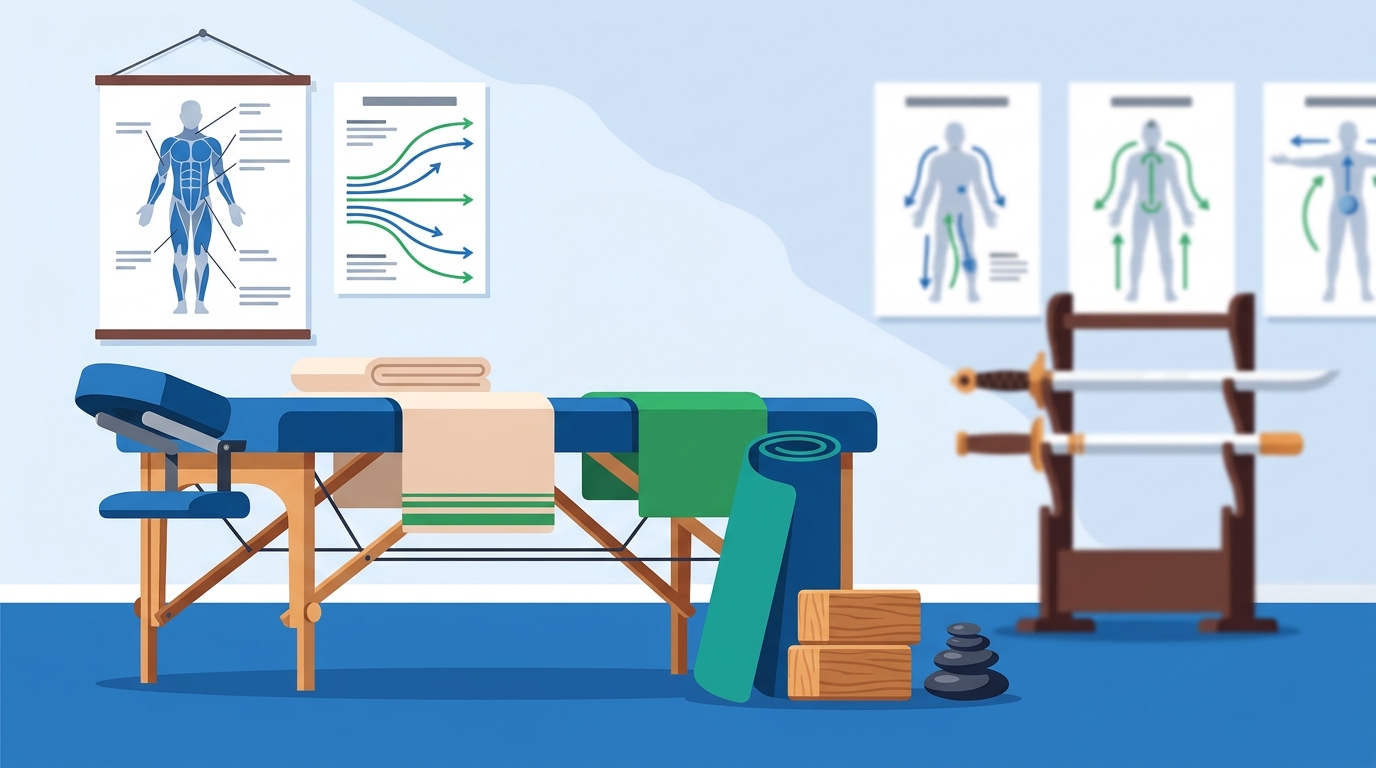
Creating a routine that includes both passive and active recovery is key to reducing treatment frequency. You do not need to do everything at once. Start by incorporating simple movement practices into your week. For example, you might schedule a massage every two weeks and add two yoga or tai chi classes in between. This balanced approach ensures your body is consistently moving and healing.
Consistency Over Intensity
The goal is not to push your body to its limits but to maintain a steady state of movement. Consistency in your practice is more important than the intensity of any single session. By making movement a regular part of your life, you reduce the reliance on external help for pain management. This shift in mindset is crucial for long-term success in managing chronic conditions.
Practical Steps for Integration
To start integrating these practices, you can begin with the classes offered at Recovery Zone Care. They offer a variety of movement-based therapies, including Qigong, Yoga, and Tai Chi. These classes are designed to be accessible to all fitness levels. You can pair these classes with your massage appointments to create a holistic care plan. This integrated approach is the most effective way to reduce the frequency of your treatments.
Listening to Your Body
As you combine these therapies, pay attention to how your body responds. You may find that after a few weeks of consistent practice, your pain levels decrease and your mobility improves. This is a sign that you are on the right track. You can then work with your therapist to adjust your treatment schedule, potentially spacing out your massage sessions while maintaining your movement practice.
Key Takeaways
- Combining massage with active movement practices like yoga and tai chi can reduce the frequency of needed treatments.
- Massage provides immediate relief, while movement practices address the underlying causes of pain and stiffness.
- Yoga helps maintain flexibility and range of motion gained during massage sessions.
- Tai chi is a low-impact practice that supports joint health and balance, reducing the need for frequent interventions.
- Consistency in your movement routine is more important than the intensity of individual sessions.
- Creating a balanced routine with both passive and active recovery is key to long-term success.
- Working with a provider that offers both massage and movement classes, like Recovery Zone Care, can help you build an effective integrated plan.
Frequently Asked Questions
How often should I get a massage if I am practicing yoga or tai chi?
There is no one-size-fits-all answer, but many people find that they can space out their massage sessions when they are consistently practicing movement therapies. You may start with weekly sessions and gradually move to bi-weekly or monthly as your mobility and pain levels improve.
Can tai chi really help with chronic joint stiffness?
Yes, tai chi is a low-impact exercise that emphasizes slow, controlled movements. It is known for improving balance, flexibility, and joint health, which can help reduce the frequency of stiffness and pain associated with chronic conditions.
Is it safe to do yoga after a deep tissue massage?
Generally, yes, but it is important to listen to your body. If you feel sore or sensitive after a deep tissue massage, you may want to start with gentler yoga poses or wait a day before practicing. Your therapist can provide guidance on what is safe for your specific situation.
What is the difference between yoga and tai chi for pain management?
Yoga often focuses on static poses and stretching, while tai chi emphasizes flowing, dynamic movements. Both can be effective for pain management, but they may suit different preferences and physical needs. You can try both to see which one resonates more with you.
How long does it take to see a reduction in treatment frequency?
This varies from person to person, but many people start to notice improvements in their mobility and pain levels within a few weeks of consistent practice. It is important to be patient and consistent with your routine to see the full benefits.
Where can I find classes that combine these practices?
You can look for wellness centers that offer a variety of movement-based therapies. Recovery Zone Care in San Jose offers classes in Qigong, Yoga, and Tai Chi, as well as massage therapy, making it a convenient place to build an integrated care plan.