
How Integrative Medicine Centers Combine Healing Methods for Chronic Pain
Defining the Integrative Approach
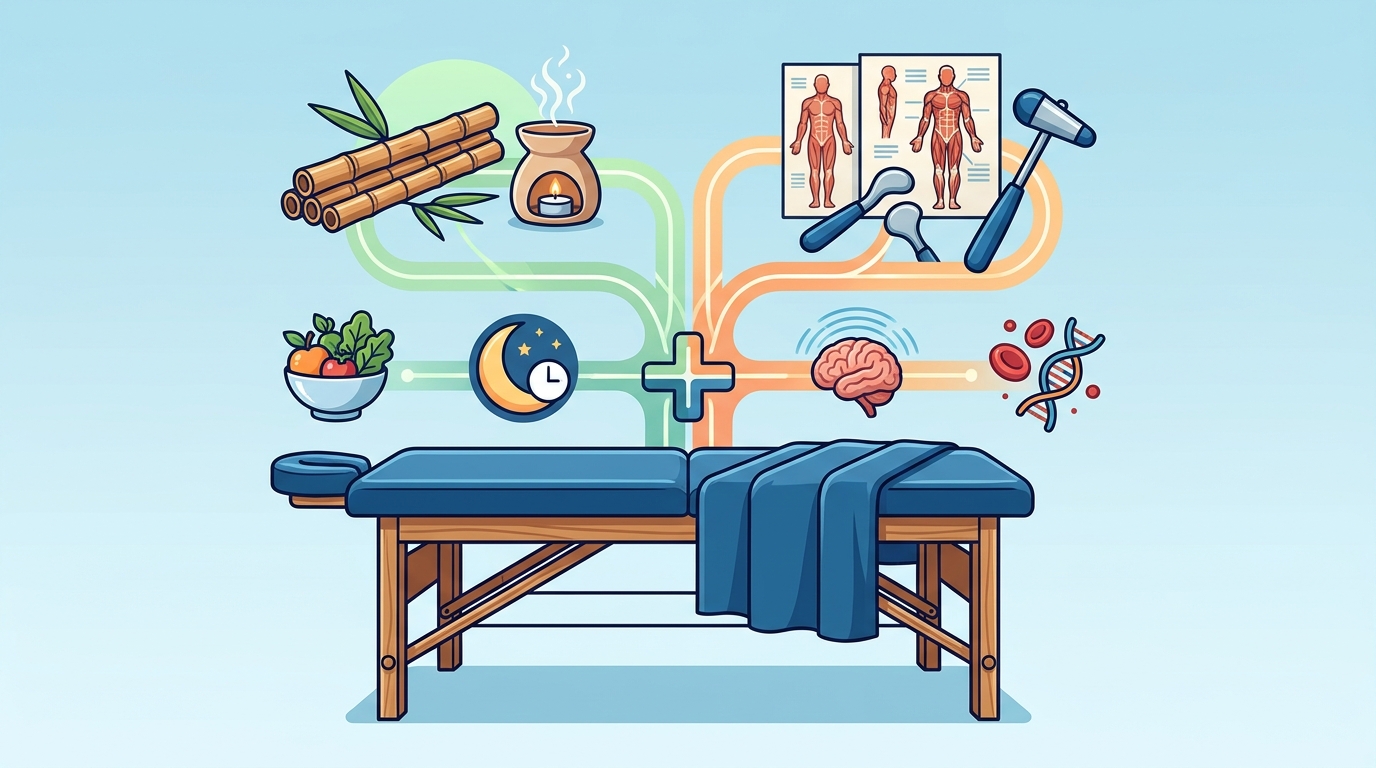
Integrative medicine is a healthcare model that combines conventional medical treatments with evidence-based complementary therapies. This approach focuses on treating the whole person by addressing the mind, body, and spirit simultaneously. Rather than viewing symptoms in isolation, integrative providers evaluate metabolic health, sleep, nutrition, and stress alongside standard imaging and lab work. This holistic perspective allows for a coordinated plan that targets the underlying causes of dysfunction across body systems. For additional details, review the Qi Gong Fundamentals RecoveryZone.
The distinction between integrative medicine and functional medicine is often a point of confusion for patients. Functional medicine emphasizes finding root causes of dysfunction, while integrative medicine describes the process of combining conventional and complementary care. Both models overlap significantly in their goal of providing personalized, patient-centered care. By relying on teams of collaborative healthcare practitioners, these centers create treatment plans designed to relieve pain and prevent disease.
Combining Therapies for Synergy
One of the primary advantages of an integrative center is the ability to layer different therapeutic modalities. For example, a patient might receive manual therapy to release muscle tension while simultaneously engaging in movement-based practices to rebuild stability. This combination creates a synergistic effect where the benefits of one therapy enhance the outcomes of another. The National Center for Complementary and Integrative Health (NCCIH) has accelerated its research into nonpharmacological treatments, recognizing that combining these methods often yields better results than using them in isolation. NIH MedlinePlus Magazine highlights how these complementary treatments are integrated with conventional care to better help patients.
At Recovery Zone Care, this synergy is evident in the pairing of the Hendrickson Method of Orthopedic Massage with movement-based therapies. The Hendrickson Method utilizes Wave Mobilization and Joint Mobilization techniques to treat acute and chronic pain. By following this hands-on work with corrective exercise or gentle movement classes, patients can maintain the range of motion gained during therapy. This ensures that the relief provided by the massage is not temporary but becomes a lasting improvement in function.
Movement and Mind-Body Practices
Movement-based therapy is a critical component of chronic pain management because the human body is designed for motion. Without regular, appropriate movement, health begins to deteriorate, replaced by pain and stiffness. Integrative centers often include practices such as Qigong, Tai Chi, and Hatha Yoga to help patients regain mobility in a safe and accessible manner. These practices are not just physical exercises; they are mind-body disciplines that help reduce the stress and anxiety often associated with chronic pain. A study published in the September 2022 issue of Primary Care shared information regarding how integrative therapies help with chronic pain, noting that numerous therapies can be included in a management plan. Keck Medicine of USC notes that while pharmaceuticals may have once been center stage, many people are now seeking other ways to find pain relief.
Recovery Zone Care offers classes in Wuji Qigong, Yang-style Tai Chi, and Hatha Yoga, available to all levels of fitness and mobility. These classes are designed to accommodate everyone, regardless of physical limitations, to improve overall health and quality of life. By focusing on slow, accessible movements, patients can strengthen the body and mind while reducing vulnerabilities to common injuries. This approach helps patients build a skill set that allows them to become self-empowered in managing their own holistic health.
Reducing Medication Reliance
One of the most significant goals of integrative pain management is to reduce the need for long-term medication, particularly opioids. Strong evidence supports acupuncture as a complementary treatment for chronic pain that has been shown to decrease the usage of opioids. While few studies have specifically addressed opioid misuse in the context of integrative medicine, the broader trend is clear: patients who engage in active, non-pharmacological therapies often require less medication over time. PubMed confirms that integrative approaches are increasingly being evaluated for their role in addressing chronic pain without the side effects of traditional drugs.
By providing a detailed, customized treatment plan, integrative providers help patients understand their pain and how to manage it. This education is crucial for long-term success. When patients understand the mechanisms of their pain and have the tools to address it, they are less likely to rely solely on painkillers. This shift in mindset is a hallmark of successful integrative care, moving patients from a passive role in their treatment to an active participant in their recovery.
Key Takeaways
- Integrative medicine combines conventional care with complementary therapies to treat the whole person.
- Personalized care plans address root causes such as stress, sleep, and nutrition alongside physical symptoms.
- Combining manual therapy with movement practices creates a synergistic effect for better long-term outcomes.
- Mind-body practices like Qigong and Yoga help reduce the stress and anxiety associated with chronic pain.
- Integrative approaches can help reduce reliance on medications, including opioids, for chronic pain management.
- Education and self-empowerment are central to the success of integrative pain management programs.
Frequently Asked Questions
What is the main difference between integrative and functional medicine?
Functional medicine focuses on finding the root causes of dysfunction across body systems, while integrative medicine describes the process of combining conventional and complementary care. The two overlap significantly in their goal of providing personalized, patient-centered care.
How does movement therapy help with chronic pain?
Movement therapy helps by rebuilding stability and flexibility in a safe manner. Practices like Qigong and Tai Chi strengthen the body and mind, reducing vulnerabilities to injury and helping patients regain function without exacerbating pain.
Can integrative medicine reduce the need for pain medication?
Yes, integrative approaches can help reduce the need for pain medication. By addressing the underlying causes of pain and providing non-pharmacological relief, patients often find they require less medication over time.
What types of therapies are included in an integrative pain plan?
An integrative pain plan may include medical evaluation, lifestyle interventions, mind-body practices, and complementary therapies such as massage, acupuncture, and movement-based exercises. The specific combination is tailored to the individual patient's needs.
Is integrative medicine only for chronic pain?
No, integrative medicine can be used for a wide range of health conditions. However, it is particularly effective for chronic pain, where a multi-faceted approach is often necessary to achieve long-term relief and improved quality of life.