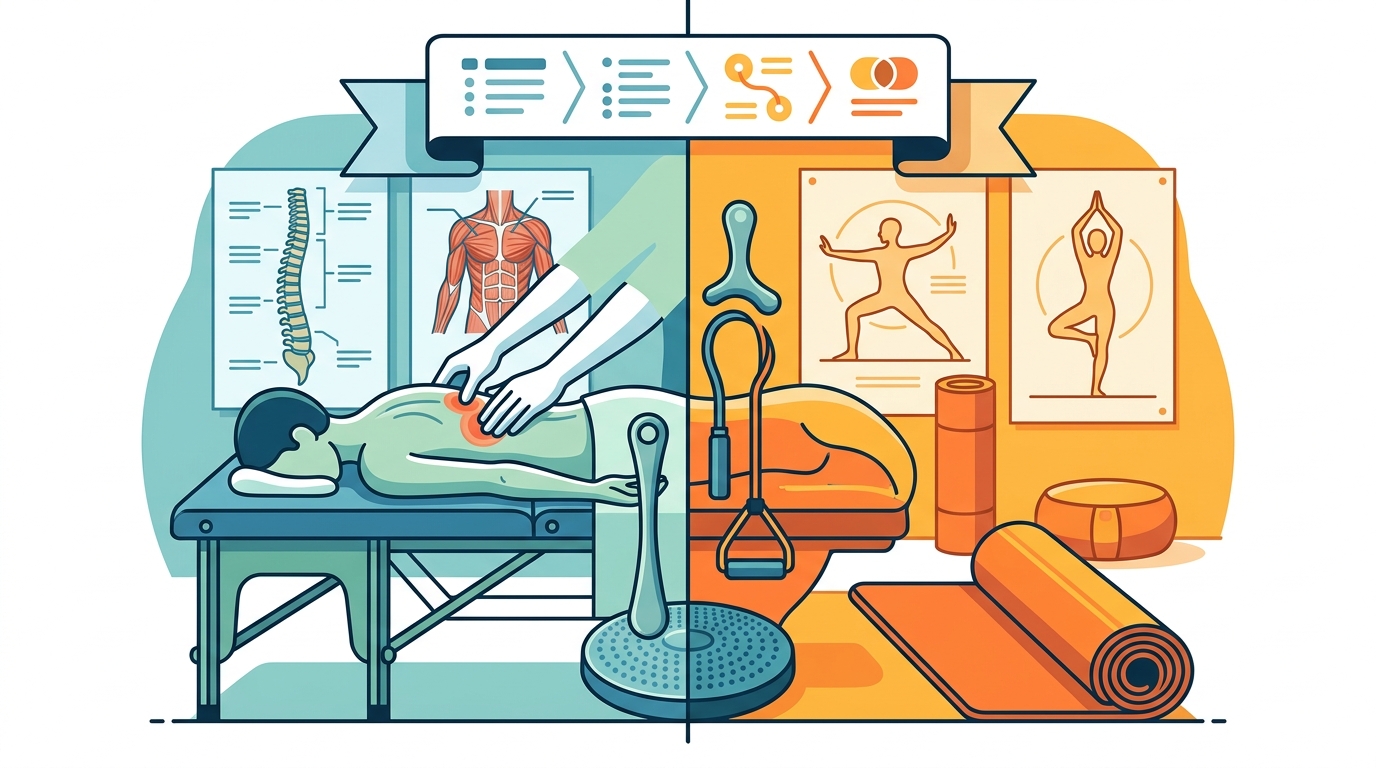
For most individuals with chronic back pain, a combined approach of orthopedic massage and active movement classes yields superior long-term outcomes compared to either modality in isolation. Recovery Zone Care in San Jose integrates the Hendrickson Method of Orthopedic Massage with movement-based therapies like Qigong and Yoga to address both the physical symptoms and the underlying movement dysfunctions that sustain chronic pain. This guide examines the specific mechanisms of manual therapy and active exercise to help you determine the optimal strategy for your unique recovery needs.
Massage Therapy Efficacy
Massage therapy is a hands-on treatment modality that manipulates soft tissues to relieve pain and restore function. For chronic back pain, the primary goal is not relaxation, but the reduction of nociceptive input and the restoration of tissue pliability. Traditional deep tissue massage often relies on high-pressure techniques that can inadvertently trigger protective muscle spasms, potentially worsening pain in sensitive individuals. In contrast, advanced orthopedic systems utilize specific mechanical inputs to downregulate the nervous system's response to pain.
The Hendrickson Method Approach
The Hendrickson Method (HM) is an advanced system of orthopedic massage and manual therapy designed to treat sub-acute, acute, and chronic pain efficiently. Unlike standard Swedish massage, HM utilizes Wave Mobilization techniques, Joint Mobilization dynamic movements, and Muscle Energy Techniques. These specific movements are designed to address the structural and neurological components of pain. Patients often report deep, soothing relief without the intense discomfort typically associated with traditional deep tissue work. This makes it a viable option for those who have previously found massage painful or ineffective.
Neurological and Physiological Mechanisms
Research indicates that therapeutic massage may relieve pain by relaxing painful muscles, tendons, and joints, and by reducing stress and anxiety. A study published in the Annals of Family Medicine in 2014 found that 60-minute therapeutic massage sessions two or three times a week for four weeks relieved chronic neck pain better than no massage or fewer or shorter sessions. While this study focused on the neck, the underlying mechanisms of pain gate control and parasympathetic activation are applicable to the lumbar spine. By stimulating competing nerve fibers, massage can impede pain messages to and from the brain, effectively 'closing the pain gate.'
Active Movement Effectiveness
Active movement therapy is a practice-based approach that uses specific exercises to strengthen the body, improve stability, and reduce vulnerability to injury. While massage addresses the symptoms of pain, active movement addresses the causes. Chronic back pain is often sustained by movement dysfunction, poor posture, and deconditioning of the core and stabilizing muscles. Without addressing these underlying issues, the pain is likely to return once the manual therapy effects wear off.
Movement-Based Disciplines
Recovery Zone Care offers several movement-based classes designed to be accessible to all levels of fitness and mobility. These include Wuji Qigong, Yang-style Tai Chi, and Hatha Yoga. These disciplines focus on slow, controlled movements that improve joint mobility, muscle flexibility, and strength. For individuals with chronic back pain, these practices help retrain the nervous system to move with efficiency and ease. The gentle nature of these exercises makes them suitable for those who may be intimidated by high-intensity fitness classes or those with significant mobility limitations.
Corrective Exercise and Functional Movement
Corrective exercise therapy is a type of physical therapy used to improve posture, balance, and coordination. It involves a systematic process of identifying movement dysfunction, developing a plan of action, and implementing an integrated corrective strategy. Functional Movement Therapy extends this concept by integrating innovative mobility and stability strategies along with a practical kinesiology taping framework. This approach helps clients recover from injury by improving spinal health and training movement patterns to optimize efficiency in daily tasks. The goal is to help people move well, not just to feel better temporarily.
Comparing the Approaches
Choosing between massage and active movement depends on the specific phase of your recovery and the nature of your pain. The table below summarizes the key differences and benefits of each approach.
| Feature | Orthopedic Massage (Hendrickson Method) | Active Movement (Qigong, Yoga, Tai Chi) |
|---|---|---|
| Primary Goal | Pain relief, tissue pliability, nervous system regulation | Strength, stability, movement retraining, long-term prevention |
| Best For | Acute flare-ups, high pain sensitivity, post-surgical recovery | Chronic maintenance, deconditioning, movement dysfunction |
| Duration of Effect | Short to medium term (hours to days) | Long term (weeks to months) |
| Client Effort | Passive (client receives treatment) | Active (client performs exercises) |
| Key Benefit | Immediate relief without pain | Empowerment and self-management skills |
Key Takeaways
- Massage therapy is effective for pain relief but may not address the underlying causes of chronic back pain.
- Active movement classes are essential for long-term prevention and functional improvement.
- The Hendrickson Method offers a pain-free alternative to traditional deep tissue massage.
- Combining massage and movement yields better long-term outcomes than either alone.
- Movement-based therapies like Qigong and Yoga are accessible to all fitness levels.
- Corrective exercise therapy helps identify and fix movement dysfunctions.
- Individualized treatment plans are crucial for addressing unique recovery needs.
- Consistency in both manual therapy and exercise is key to sustained results.
Frequently Asked Questions
Is massage therapy effective for chronic back pain?
Yes, massage therapy can be effective for chronic back pain by reducing muscle tension, improving circulation, and modulating pain signals. However, it is most effective when combined with active movement to address the underlying causes of pain.
What is the difference between orthopedic massage and deep tissue massage?
Orthopedic massage, such as the Hendrickson Method, uses specific techniques like Wave Mobilization and Muscle Energy Techniques to treat pain and dysfunction. Deep tissue massage typically uses sustained pressure to break up adhesions, which can be painful. Orthopedic massage is often more efficient and less painful for chronic conditions.
Can I do Qigong if I have a bad back?
Yes, Qigong is generally very safe for individuals with back pain. The movements are slow, gentle, and can be modified to accommodate various levels of mobility. It is important to work with a qualified instructor who can provide appropriate modifications.
How often should I get a massage for chronic pain?
The frequency depends on the severity of your pain and your goals. For acute flare-ups, more frequent sessions may be needed. For chronic maintenance, weekly or bi-weekly sessions are often sufficient. Your therapist can help you determine the optimal frequency for your situation.
Do I need to be fit to join movement classes?
No, movement-based classes at Recovery Zone Care are designed to be accessible to all levels of fitness and mobility. The focus is on gentle, effective movement that improves health and quality of life, not on high-intensity performance.
How long does it take to see results from active movement?
Results vary, but many clients notice improvements in mobility and pain levels within a few weeks of consistent practice. Long-term benefits, such as improved strength and stability, develop over several months of regular participation.
Can massage and movement be used together?
Yes, combining massage and movement is often the most effective strategy. Massage can reduce pain and tension, making it easier to participate in movement classes. Movement then helps maintain the gains made during massage and prevents future pain.
Where can I find these services in San Jose?
Recovery Zone Care is located at 1190 South Bascom Ave, Suite 134, San Jose, CA 95128. They offer both orthopedic massage and movement-based classes in this location.
Conclusion
Chronic back pain is a complex condition that requires a multifaceted approach. While massage therapy provides valuable short-term relief and neurological regulation, active movement classes are essential for long-term functional improvement and prevention. At Recovery Zone Care, we believe that healing comes in many forms. By combining the precision of the Hendrickson Method with the empowering practices of Qigong, Yoga, and Tai Chi, we offer a comprehensive solution for those seeking to manage pain and improve mobility. Whether you are looking for immediate relief or long-term resilience, our integrated approach ensures that you receive the care you need to move well and live fully. To begin your journey toward meaningful recovery, to schedule an assessment or book a class.