
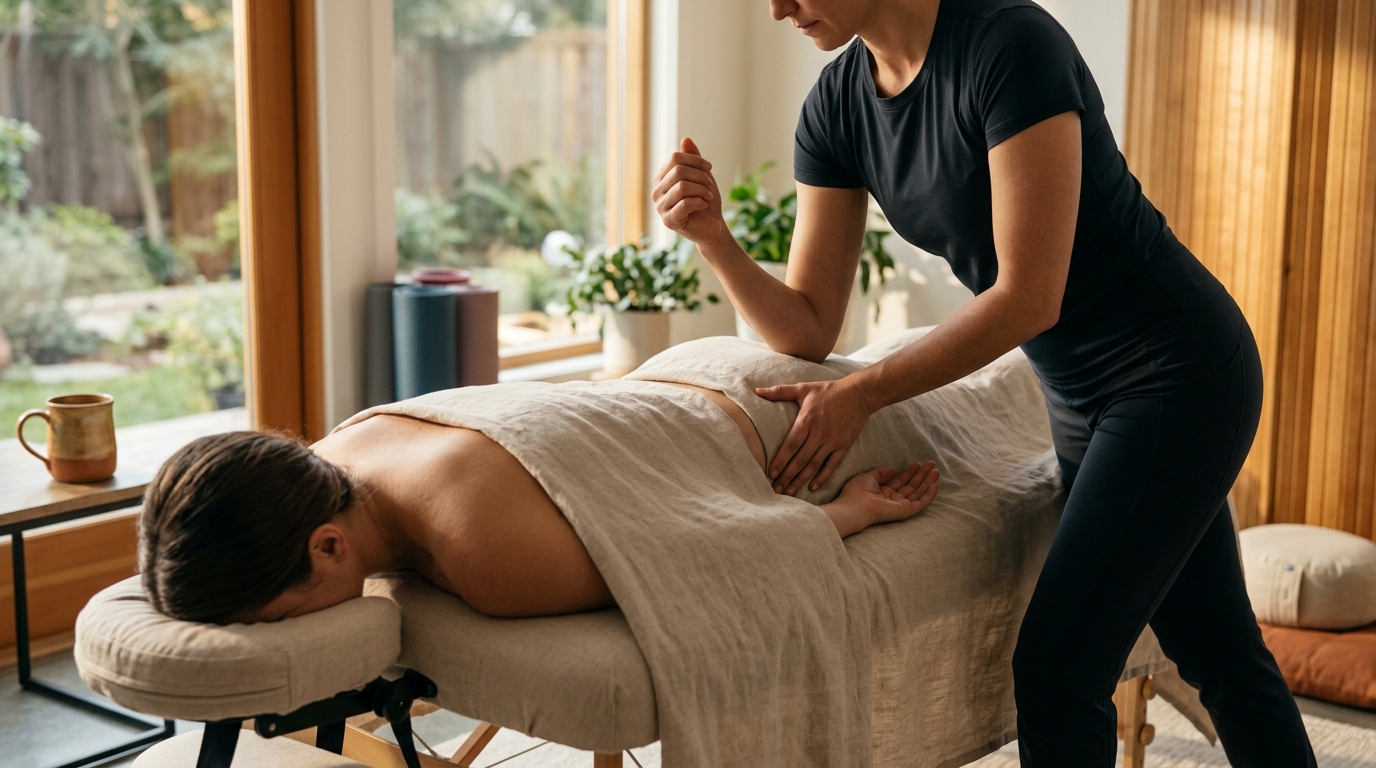
For persistent joint stiffness, most individuals benefit from weekly or bi-weekly massage sessions during the active phase, transitioning to monthly maintenance once mobility improves. This guide outlines a structured progression for managing stiffness through the Hendrickson Method and movement therapies. It covers complementary treatment approaches, schedule adjustments, and how to integrate active recovery practices for long-term joint health.
Understanding Joint Stiffness and Massage
Joint stiffness is a common symptom of various musculoskeletal conditions, often resulting from inflammation, muscle tension, or reduced synovial fluid circulation. Persistent stiffness can limit daily activities and lead to secondary pain in adjacent structures. Massage therapy is a manual intervention that addresses these issues by manipulating soft tissues to improve local circulation and reduce muscle guarding.
At Recovery Zone Care, we utilize the Hendrickson Method, which is an advanced system of orthopedic massage and manual therapy designed to treat acute and chronic pain efficiently. Unlike traditional deep tissue massage, which relies on high pressure, this method uses Wave Mobilization and Joint Mobilization techniques. This approach allows for deep relief without the discomfort often associated with aggressive tissue work, making it suitable for individuals with sensitive joints.
Complementary Treatment Approach
Massage therapy is most effective when viewed as part of a broader recovery ecosystem rather than a standalone fix. A complementary treatment approach combines hands-on manual therapy with active movement strategies. This dual focus ensures that while the therapist addresses immediate tissue restrictions, the client builds the strength and mobility to prevent recurrence.
The Role of Manual Therapy
Manual therapy serves as the primary intervention for reducing immediate stiffness. By targeting specific muscles, tendons, and joints, the therapist can release adhesions and restore range of motion. The Hendrickson Method focuses on the relationship between muscle tension and joint mechanics. When muscles are overly tight, they pull on the joint, creating stiffness. Releasing this tension allows the joint to move freely again.
Integrating Movement-Based Therapy
Passive treatment alone is rarely enough for long-term management. Recovery Zone Care integrates movement-based therapies such as Wuji Qigong, Tai Chi, and Hatha Yoga into the treatment plan. These practices are not just exercise; they are tools for body awareness. They teach the client how to move in ways that support joint health. By combining massage with these classes, clients learn to maintain the mobility gains achieved during their sessions.
Corrective Exercise and Taping
For specific joint issues, we may incorporate corrective exercise therapy and kinesio taping. Corrective exercise is a type of physical therapy used to improve posture, balance, and coordination. It helps identify movement dysfunctions that contribute to stiffness. Kinesio taping provides external support to joints and muscles, facilitating motion and inhibiting pain. This multi-modal approach ensures that the joint is supported from the inside out and from the outside in.
Maintenance Schedule Progression
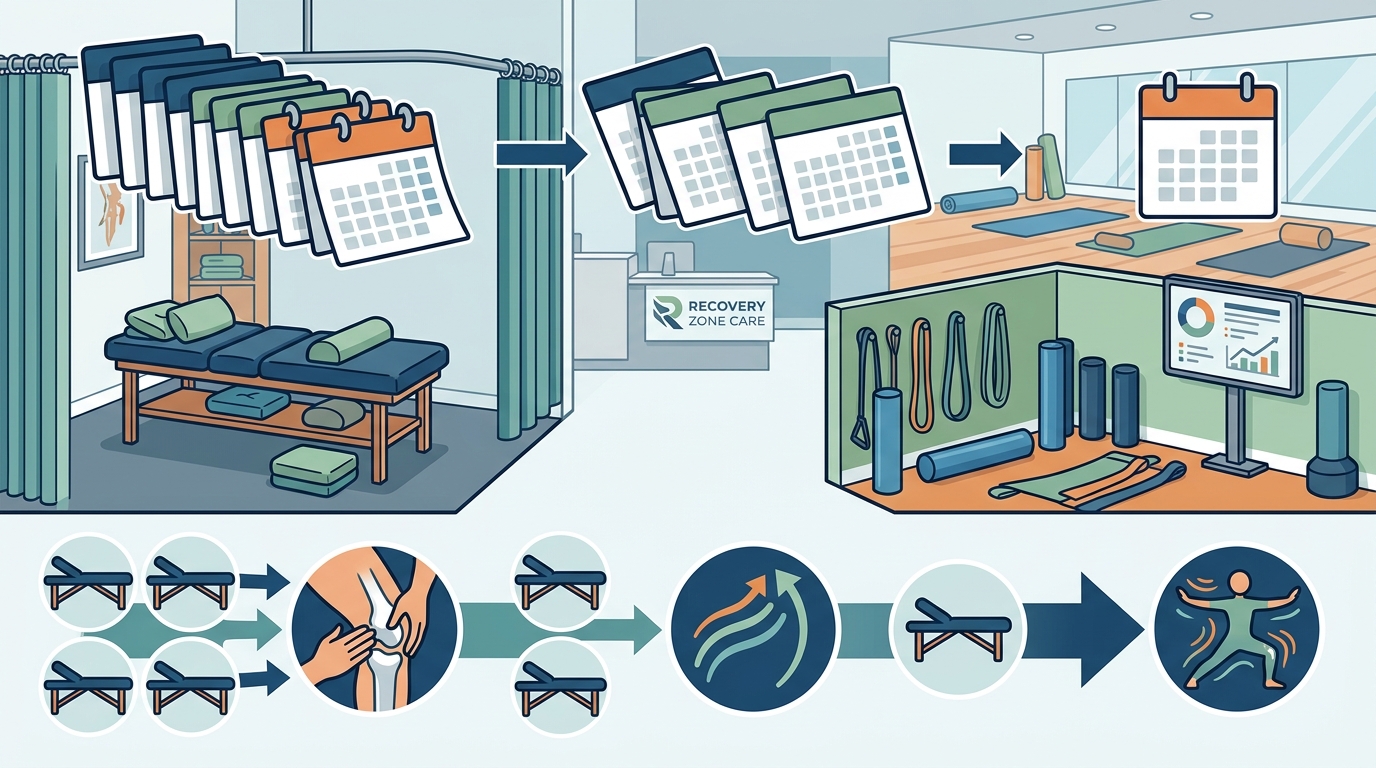
Determining the right frequency for massage therapy depends on the severity of the stiffness and the client's response to treatment. A structured progression allows for efficient healing while minimizing unnecessary appointments. The following table outlines a typical schedule progression for managing persistent joint stiffness.
| Phase | Frequency | Goal | Duration |
|---|---|---|---|
| Acute/Active Phase | Weekly | Reduce pain, restore initial range of motion | 4-6 weeks |
| Sub-Acute Phase | Bi-Weekly | Consolidate gains, improve stability | 4-8 weeks |
| Maintenance Phase | Monthly | Prevent recurrence, maintain mobility | Ongoing |
Acute and Active Phase
During the initial phase, weekly sessions are recommended to address the most significant restrictions. This frequency allows the therapist to work on the same areas before the tissues have a chance to re-tighten. The goal is to break the cycle of pain and stiffness. Clients should expect to feel a noticeable improvement in range of motion within the first few weeks of consistent weekly treatment.
Sub-Acute and Maintenance Phases
As the stiffness decreases, the frequency can be reduced to bi-weekly sessions. This phase focuses on strengthening the surrounding muscles and ensuring that the joint remains stable. Once the client reaches a point where they can maintain their mobility independently, the schedule shifts to monthly maintenance. Monthly sessions act as a check-in, allowing the therapist to monitor progress and make adjustments to the movement plan as needed.
Integrating Active Recovery
Between massage sessions, active recovery is crucial for sustaining the benefits of manual therapy. Recovery Zone Care offers specific classes and resources to support this process. The human body is designed for movement, and without it, health begins to deteriorate. Regular, gentle movement helps keep joints lubricated and muscles flexible.
Qigong and Tai Chi for Joint Health
Wuji Qigong and Yang-style Tai Chi are excellent practices for joint health. These movements are slow and controlled, focusing on the flow of energy and the alignment of the body. They are accessible to all levels of fitness and mobility. By practicing these forms regularly, clients can maintain the joint mobility achieved during massage sessions. The meditative aspect of these practices also helps reduce stress, which can exacerbate muscle tension.
Home Exercise and Self-Care
In addition to classes, clients are often prescribed specific home exercises. These may include assisted stretching or self-massage techniques. The goal is to empower the client to take an active role in their recovery. By performing these exercises daily, clients can prevent stiffness from returning between appointments. This active approach ensures that the benefits of the massage are not lost in the days following the session.
Key Takeaways
- Weekly massage is typically recommended during the acute phase of persistent joint stiffness.
- The Hendrickson Method offers deep relief without the pain of traditional deep tissue massage.
- Complementary treatments like Qigong and Tai Chi help maintain mobility between sessions.
- Transitioning to bi-weekly and then monthly sessions allows for efficient long-term management.
- Corrective exercise and kinesio taping can support joint stability and movement patterns.
- Active recovery through daily movement is essential for preventing stiffness recurrence.
- Individual response to treatment should guide the specific frequency of appointments.
Frequently Asked Questions
How long does it take to see results from massage for joint stiffness?
Most clients notice an improvement in range of motion after the first few sessions. However, significant and lasting relief from persistent stiffness often requires 4 to 6 weeks of consistent weekly treatment. The timeline varies depending on the underlying cause of the stiffness and the client's adherence to home exercises.
Is the Hendrickson Method painful?
No, the Hendrickson Method is designed to be relaxing and soothing. It uses Wave Mobilization and Joint Mobilization techniques that do not rely on high pressure. This makes it a suitable option for individuals who find traditional deep tissue massage too intense or painful.
Can I do Qigong if I have limited mobility?
Yes, Wuji Qigong exercises can be performed from a standing or seated position. Chairs are provided in our classes to accommodate students with mobility limitations. The movements are gentle and can be modified to suit any ability level, making them accessible to everyone.
How often should I schedule maintenance massages?
Once the acute stiffness has resolved, monthly maintenance sessions are generally recommended. This frequency helps to monitor joint health and prevent the return of stiffness. Your therapist may adjust this schedule based on your specific needs and progress.
What is the difference between sports massage and orthopedic massage?
Sports massage focuses on muscles used in specific sports to improve performance and recovery. Orthopedic massage, such as the Hendrickson Method, targets the musculoskeletal system to treat pain and dysfunction. While there is overlap, orthopedic massage is often more focused on resolving specific joint and muscle issues.
Do I need a prescription for massage therapy?
No, a prescription is not required to book a massage session at Recovery Zone Care. However, if you are working with a physician or physical therapist, it can be beneficial to coordinate your care. We can work with your healthcare team to ensure that our treatment plan aligns with your overall medical goals.
Can massage help with post-surgical stiffness?
Yes, post-surgical massage is a specialized intervention designed to reduce swelling and prevent scar tissue formation. It helps ensure that oxygen-rich blood reaches healing tissues. At Recovery Zone Care, we offer post-surgical massage to support a faster and more comfortable recovery.
How do I know if I am ready to reduce my massage frequency?
You are ready to reduce frequency when you can maintain your range of motion independently and experience minimal pain during daily activities. Your therapist will assess your progress and recommend when to transition from weekly to bi-weekly or monthly sessions. Consistency in your home exercise routine is a key indicator of readiness.
Conclusion
Managing persistent joint stiffness requires a consistent and strategic approach. By combining the precision of the Hendrickson Method with the active benefits of movement-based therapies, you can achieve lasting relief. The key is to follow a structured schedule that evolves as your body heals. Start with weekly sessions to address acute issues, then transition to maintenance as your mobility improves.
At Recovery Zone Care, we are dedicated to helping you find meaningful recovery and healing. Our holistic approach ensures that you are supported not just during your appointments, but in your daily life. To begin your journey toward better joint health, book a massage or join one of our movement classes today.