What Types of Movement Classes Help You Stay Flexible After Getting Massage Therapy?
The Synergy Between Manual Therapy and Active Movement
Massage therapy is a passive intervention that temporarily releases tension in muscles and fascia. While effective for immediate relief, the benefits can diminish if the body returns to its previous restricted movement patterns. Active movement classes serve as the bridge between passive release and active function. By engaging the body in controlled motion, you reinforce the new range of motion gained during your session.
At Recovery Zone Care, we view movement as the key to sustaining healing. The human body is designed for movement, and without it, health begins to deteriorate over time. Integrating specific movement disciplines ensures that the structural changes made by a therapist are supported by the neuromuscular system. This approach prevents the re-tightening of tissues that often occurs when muscles are not actively engaged after a release.
Hatha Yoga for Structural Stability and Flexibility
Hatha Yoga is a practice that combines physical postures, breathing techniques, and meditation to improve overall health. It is particularly effective for maintaining flexibility because it holds poses long enough to allow the nervous system to downregulate and the muscles to relax into a deeper stretch. This sustained engagement helps the body adapt to new positions without triggering protective spasms.
For clients recovering from injury or chronic pain, Hatha Yoga provides a safe environment to explore mobility. The slow pace allows for precise alignment, reducing the risk of overstretching. By focusing on the connection between breath and movement, practitioners learn to move with greater ease and awareness. This mindful approach complements the hands-on work done in massage by teaching the body how to move efficiently in daily life.
Wuji Qigong for Gentle Joint Mobilization
Wuji Qigong is a form of Chinese energy work that focuses on simple, easy-to-learn exercises and movement patterns. It is ideal for individuals who may find traditional yoga too intense or for those with significant mobility limitations. The exercises can be performed from a standing or seated position, making them accessible to all ages and abilities. This accessibility is crucial for maintaining consistency in a recovery program.
The gentle nature of Wuji Qigong helps melt away stress and opens up joints that may feel restricted. The movements are designed to be repetitive and flowing, which promotes circulation and lymphatic drainage. This supports the body's natural healing processes and helps reduce inflammation. By practicing these simple patterns regularly, clients can maintain the openness achieved during massage sessions without straining their tissues.
Yang-style Tai Chi for Dynamic Balance
Yang-style Tai Chi is a martial art that emphasizes slow, continuous movements and deep breathing. It is an excellent choice for maintaining flexibility because it requires the body to move through a wide range of motion in a controlled manner. The dynamic nature of Tai Chi challenges the body's balance and coordination, which are often compromised by pain and injury.
Practicing Tai Chi helps to integrate the flexibility gained from massage into functional movement. The slow transitions between postures allow the muscles to work through their full range of motion without impact. This low-impact approach is safe for joints and helps to build strength in the stabilizing muscles. Over time, this leads to a more resilient body that is less prone to injury and pain.
Building a Personalized Movement Routine
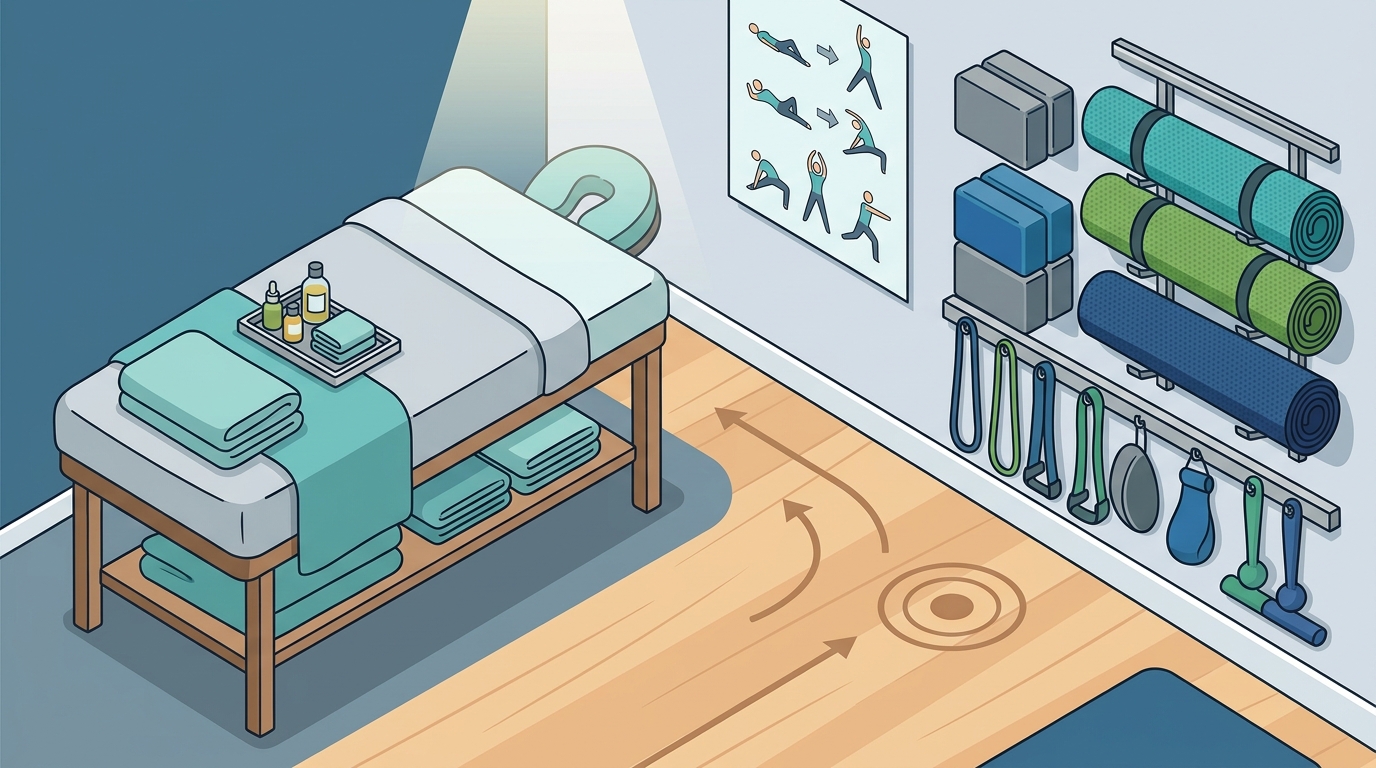
Choosing the right movement class depends on your individual needs and goals. Some clients may benefit from the structural focus of Hatha Yoga, while others may prefer the gentle flow of Wuji Qigong. At Recovery Zone Care, we work with each client to develop a customized treatment plan that includes both manual therapy and movement-based exercises. This ensures that your recovery is tailored to your unique body and lifestyle.
Key Takeaways
- Active movement classes like Hatha Yoga, Wuji Qigong, and Tai Chi help maintain the flexibility gained from massage therapy.
- Hatha Yoga provides structural stability and deep stretching through held poses.
- Wuji Qigong offers gentle, accessible joint mobilization for all fitness levels.
- Yang-style Tai Chi improves dynamic balance and coordination through slow, continuous movements.
- Integrating movement with manual therapy prevents the re-tightening of tissues after a massage session.
- A personalized movement routine ensures that your recovery is tailored to your specific needs.
- Consistent practice of movement classes supports long-term health and reduces the risk of injury.
Frequently Asked Questions
How soon after a massage should I start a movement class?
You can typically start a gentle movement class immediately after a massage session. The key is to listen to your body and avoid any movements that cause pain. Starting with gentle practices like Wuji Qigong can help you ease into activity without overstraining your tissues.
Which movement class is best for beginners?
Wuji Qigong is often the best choice for beginners because it is gentle and accessible. The exercises can be done from a standing or seated position, making them suitable for people with limited mobility. It provides a safe introduction to movement-based therapy.
Can I do these classes if I have chronic pain?
Yes, these classes are designed to be adaptable to individual needs. At Recovery Zone Care, we modify exercises to accommodate pain and mobility limitations. The goal is to move safely and comfortably, not to push through pain.
How often should I attend movement classes to maintain flexibility?
Attending classes one to two times per week is a good starting point for maintaining flexibility. Consistency is more important than intensity. Regular practice helps to reinforce the new range of motion and build strength in the supporting muscles.
Do I need to be flexible to join a yoga or Tai Chi class?
No, you do not need to be flexible to join these classes. The goal is to improve your flexibility over time, not to achieve a specific level of flexibility before starting. The classes are designed to meet you where you are and help you progress at your own pace.
How does movement therapy complement massage therapy?
Movement therapy complements massage by actively engaging the muscles and joints that were released during the massage. This helps to integrate the changes made by the therapist into your daily movement patterns, leading to more lasting relief and improved function.
Start Your Movement Journey at Recovery Zone Care
Recovery Zone Care in San Jose offers a comprehensive approach to healing that combines hands-on therapy with active movement practices. By integrating massage with movement classes like Hatha Yoga, Wuji Qigong, and Tai Chi, we help our clients achieve lasting flexibility and pain relief. To learn more about how we can support your recovery, explore our exercise classes or book a session online today.