For persistent joint stiffness, most individuals benefit from weekly or bi-weekly massage therapy sessions during the active treatment phase, transitioning to monthly maintenance once symptoms stabilize. This guide explores the optimal frequency for managing chronic stiffness through the lens of Recovery Zone Care, a San Jose-based wellness center specializing in the Hendrickson Method, sports massage, and movement-based therapies. We will examine how combining hands-on manual therapy with active movement practices creates a sustainable framework for long-term joint health and mobility.
Complementary Treatment Approach
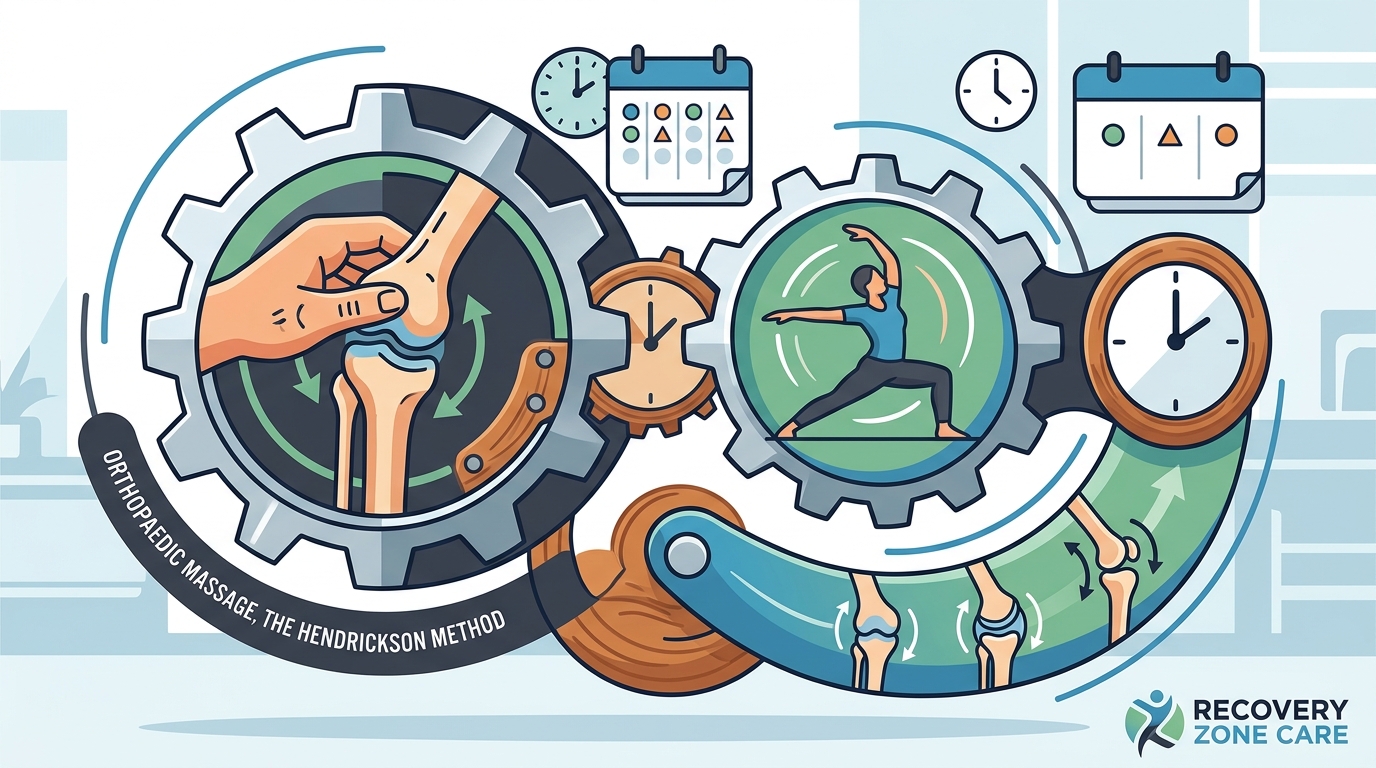
Joint stiffness is rarely an isolated issue; it is often the result of interconnected muscular tension, reduced synovial fluid circulation, and compensatory movement patterns. A complementary treatment approach is a therapeutic strategy that combines passive manual interventions with active movement exercises to address the root causes of stiffness rather than just the symptoms. At Recovery Zone Care, this philosophy is central to our practice. We do not view massage as a standalone luxury but as one component of a comprehensive recovery ecosystem. By pairing the Hendrickson Method of Orthopedic Massage with specific movement disciplines, we create a synergistic effect that accelerates healing and prevents recurrence.
The Role of Manual Therapy
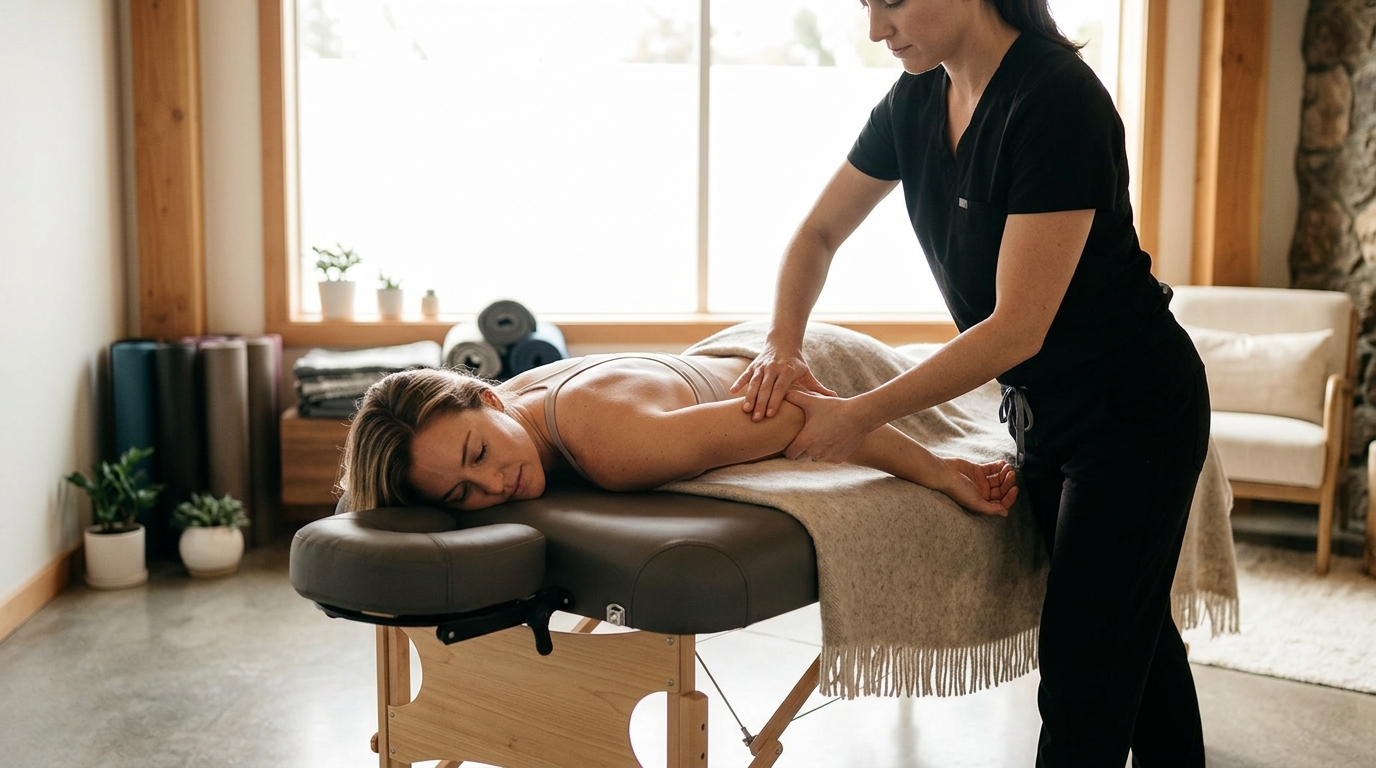
Manual therapy serves as the foundation for relieving immediate stiffness. The Hendrickson Method utilizes Wave Mobilization, Joint Mobilization, and Muscle Energy Techniques to restore range of motion. Unlike traditional deep tissue massage, which can sometimes aggravate sensitive joints, this advanced system is designed to be soothing while effectively treating acute and chronic pain. For clients with persistent stiffness, this modality helps to break down adhesions and improve the elasticity of the surrounding soft tissues, creating a more favorable environment for movement.
The Necessity of Active Movement
While manual therapy prepares the body, active movement solidifies the gains. Movement-based therapy is a practice that utilizes specific types of exercise to strengthen the body and mind, increase stability, and reduce vulnerability to injury. Without active engagement, the benefits of massage can be short-lived. By integrating practices like Wuji Qigong and Hatha Yoga, clients learn to maintain the mobility gained during their sessions. This dual approach ensures that the body remains responsive and adaptable, which is critical for managing persistent conditions.
Determining Your Frequency Protocol
There is no single universal schedule for everyone, but clinical observation and client outcomes suggest distinct phases of treatment frequency. The optimal schedule depends on the severity of the stiffness, the duration of the condition, and the individual's response to therapy. Generally, treatment is divided into three phases: the acute or active phase, the stabilization phase, and the maintenance phase.
Phase 1: The Active Treatment Phase
During the initial weeks of addressing persistent stiffness, higher frequency is often required to interrupt the pain-stiffness cycle. For many clients, this involves sessions once or twice per week. This frequency allows the therapist to consistently address tissue restrictions before they can re-establish. In this phase, the goal is to reduce inflammation and restore baseline mobility. Clients often report significant relief within the first four to six weeks of consistent weekly treatment.
Phase 2: The Stabilization Phase
As the immediate stiffness begins to resolve, the frequency can be reduced. This phase typically involves bi-weekly sessions. The focus shifts from aggressive restriction breaking to reinforcing the new range of motion. During this time, the therapist may introduce more complex movement patterns or adjust the manual techniques to support the body's natural healing processes. This transition is crucial for ensuring that the body does not revert to its previous stiff state.
Phase 3: The Maintenance Phase
Once the client has achieved their desired level of mobility and pain-free movement, the schedule transitions to maintenance. This usually involves monthly sessions. These sessions serve as a check-in to monitor progress and address any minor restrictions before they become significant. For individuals with chronic conditions, this monthly cadence is often sufficient to keep joints lubricated and muscles relaxed, provided they are consistent with their home movement practice.
Integrating Movement-Based Therapy
Massage therapy is most effective when it is paired with a consistent home practice. Recovery Zone Care offers a variety of movement-based classes that complement the manual work done in the massage room. These classes are designed to be accessible to all levels of fitness and mobility, ensuring that even those with significant limitations can participate. The integration of these practices helps to extend the benefits of each massage session into daily life.
Wuji Qigong for Joint Health
Wuji Qigong is a form of gentle exercise that focuses on simple, easy-to-learn movement patterns. It is particularly effective for joint stiffness because it emphasizes slow, controlled movements that promote blood flow and synovial fluid circulation. The exercises can be performed from a standing or seated position, making them ideal for clients with limited mobility. Regular practice of Wuji Qigong helps to maintain the openness of the joints achieved during massage sessions.
Tai Chi and Yoga for Stability
Yang-style Tai Chi and Hatha Yoga provide the stability and strength necessary to support the joints. These practices focus on balance, core engagement, and proper alignment. By strengthening the muscles that support the joints, these disciplines reduce the load on the joint structures themselves. This is a critical aspect of managing persistent stiffness, as weak supporting muscles can lead to increased joint stress and subsequent stiffness.
Therapy Comparison and Reference
Understanding the distinct roles of different therapeutic modalities helps in creating an effective treatment plan. The following table compares the primary services offered at Recovery Zone Care and their specific benefits for joint stiffness.
| Therapy Type | Primary Mechanism | Benefit for Joint Stiffness | Recommended Frequency |
|---|---|---|---|
| Hendrickson Method Massage | Wave Mobilization and Joint Mobilization | Restores range of motion and reduces acute pain | Weekly to Bi-weekly |
| Sports Massage | Targeted muscle relaxation and recovery | Improves flexibility and supports safe movement | Pre/Post Activity or Weekly |
| Wuji Qigong | Gentle, slow movement patterns | Increases synovial fluid circulation and joint openness | 2-3 times per week |
| Hatha Yoga | Static poses and breath control | Builds stability and strengthens supporting muscles | 1-2 times per week |
| Corrective Exercise | Identifying and fixing movement dysfunction | Prevents recurrence by correcting posture and mechanics | As prescribed by therapist |
Key Takeaways
- Consistency is more important than intensity when managing persistent joint stiffness.
- The active treatment phase typically requires weekly or bi-weekly massage sessions.
- Maintenance phases usually involve monthly sessions to preserve mobility gains.
- Combining manual therapy with active movement practices like Qigong and Yoga yields better long-term results.
- The Hendrickson Method is specifically designed to treat stiffness without the pain associated with traditional deep tissue massage.
- Home practice is essential for extending the benefits of professional massage sessions.
- Individual response to therapy varies, so frequency should be adjusted based on personal progress.
- A holistic approach that addresses both physical and mental aspects of health is most effective for chronic conditions.
Frequently Asked Questions
How long does it take to see results from massage for joint stiffness?
Most clients begin to notice improvements in range of motion and pain levels within the first two to four weeks of consistent treatment. However, significant and lasting changes often require several months of regular sessions combined with home movement practice.
Is massage therapy safe for people with arthritis?
Yes, when performed by a qualified therapist using appropriate techniques. The Hendrickson Method, for example, is designed to be gentle and effective for treating chronic pain conditions, including arthritis. It is important to communicate any specific medical conditions to your therapist before beginning treatment.
Can I do Qigong if I have limited mobility?
Absolutely. Wuji Qigong exercises can be performed from a seated position in a chair. The movements are gentle and can be modified to accommodate various levels of ability and physical limitations.
How many sessions should I book initially?
It is recommended to start with a series of four to six weekly sessions to establish a baseline and assess your body's response. This allows the therapist to develop a customized treatment plan based on your specific needs and progress.
Do I need to be an athlete to benefit from sports massage?
No. While sports massage is often associated with athletes, it is beneficial for anyone who regularly exercises or experiences muscle tension and stiffness. It focuses on decreasing muscle pain and improving recovery, which is relevant for many non-athletes as well.
What is the difference between orthopedic massage and traditional deep tissue massage?
Orthopedic massage, such as the Hendrickson Method, uses specific techniques like Wave Mobilization and Joint Mobilization to treat pain and restore function. Traditional deep tissue massage often relies on high pressure, which can be painful and potentially aggravate sensitive joints. Orthopedic massage is generally more soothing and targeted.
How often should I attend movement classes?
For optimal results, attending movement classes two to three times per week is recommended. This frequency helps to maintain the mobility and strength gained during massage sessions. However, even one or two sessions per week can provide significant benefits.
Can massage therapy replace physical therapy?
Massage therapy is a complementary treatment and should not be viewed as a replacement for physical therapy if prescribed by a medical professional. However, it can work alongside physical therapy to enhance outcomes and provide additional relief from pain and stiffness.
Conclusion
Managing persistent joint stiffness requires a strategic and consistent approach. By understanding the different phases of treatment and integrating active movement practices, you can create a sustainable plan for long-term joint health. Recovery Zone Care in San Jose offers a comprehensive suite of services designed to address the root causes of stiffness and support your body's natural healing processes. Whether you are looking for immediate relief or long-term maintenance, our team is dedicated to helping you find meaningful recovery and healing. To begin your journey toward better mobility and reduced pain, book a massage or class today.